



Summary
- Best home exercise bike burns 11-70% less power than outdoor riding, but offers structured workouts that can cut training time by up to 50% for similar results.
- Outdoor cycling provides mental health benefits through nature exposure and builds functional strength through natural terrain variations not found on stationary bikes.
- Indoor cycling excels in data tracking and consistent training environments, making it ideal for specific performance goals and weather independent fitness.
- NordicTrack's adjustable resistance stationary bikes provide professional level training metrics while eliminating safety concerns associated with road cycling.
- A hybrid approach combining both cycling methods delivers the most comprehensive fitness benefits and keeps motivation high through varied experiences.
Choosing between stationary bikes and outdoor cycling isn't just about convenience, it's about matching your fitness method to your goals, lifestyle, and what actually keeps you motivated long term. The decision impacts everything from your calorie burn to your mental well-being, and getting it right can be the difference between fitness success and another abandoned workout plan.
When deciding between these two forms of cycling, it's important to understand the unique benefits of each to get the most out of your workouts and have fun. According to research from NordicTrack, indoor training can be just as effective as outdoor cycling in less time if done right, making it a great choice for people with packed schedules.
Let's get into the nitty gritty of stationary cycling at home versus outdoor cycling, so you can decide which method or combination of methods, best suits your fitness goals.
Quick Summary
Stationary bikes and outdoor cycling both have their own unique perks that cater to various fitness requirements. Stationary bikes offer a controlled environment, tailored workouts, and aren't affected by the weather, while outdoor cycling offers the challenge of natural terrain, mental invigoration, and the practicality of transportation. The best approach often involves a combination of the two, providing a balanced, year round training plan that keeps you motivated and meets a range of fitness objectives.
Which is More Effective? Indoor Cycling or Outdoor Cycling?
Many people wonder which type of cycling is more effective, indoor or outdoor? Research has shown that indoor cycling allows for more focused training without distractions and the ability to control the intensity of the workout. A study from the University of Nebraska at Omaha found that while outdoor cyclists worked out at higher intensities, indoor cyclists felt they were working out just as hard even though they weren't, indicating that indoor workouts may feel harder than they actually are.
The main advantage of best home exercise bike cycling is the efficiency of the workout. There are no traffic stops, downhills, or weather conditions to consider, allowing you to maintain a consistent effort throughout your workout. Some fitness experts believe that indoor training can reduce the amount of time needed for a workout by up to 50% compared to outdoor cycling, while still achieving similar endurance and weight loss results. This efficiency makes stationary bikes a great choice for those who are pressed for time but still want to get the most out of their workout time.
However, outdoor cycling offers distinctive physiological benefits due to its unpredictable nature. The varied terrain automatically creates interval like training patterns as you navigate hills, headwinds, and changing surfaces. Research indicates that outdoor riders produce between 11-70% more mean power than indoor riders, partly because real world conditions naturally push cyclists to work harder without consciously realizing it. This natural variability trains your body to adapt to changing conditions, a fitness advantage that's difficult to replicate indoors.
Stationary Bikes: The Fitness Beast in Your Living Room
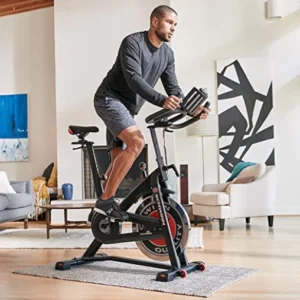
Stationary bikes have come a long way from being boring pedalling machines to becoming advanced training hubs. The top of the line indoor bikes these days come with electromagnetic resistance systems, immersive training apps, and designs optimized for biomechanics that can compete with professional training equipment. The convenience of getting on for a fast 20-minute HIIT workout or participating in a virtual group ride through simulated mountain passes has changed the game for home fitness accessibility.
Stationary bikes offer a controlled environment that allows for unique training opportunities that you can't get from outdoor cycling. You can do precise intervals, maintain specific power targets for long periods, and do workouts exactly as planned without outside factors affecting your training stimulus. This level of control makes stationary bikes especially good for structured progressive overload, which is the basic principle behind improving fitness.
Time Efficiency: Burn More Calories in Less Time
Indoor cycling has the advantage of time efficiency because it eliminates the coasting, stopping for traffic, and other interruptions that reduce the intensity of outdoor workouts. On a stationary bike, every minute is actual work done. Studies have shown that indoor sessions can be 30-50% shorter than outdoor rides and still provide the same cardiovascular benefits. This efficiency is especially important during high intensity interval training (HIIT), where short, intense efforts are alternated with recovery periods. This can result in significant fitness improvements in sessions as short as 20 minutes. For busy professionals or parents with multiple responsibilities, this time saving benefit makes it possible to maintain a regular training schedule.
Don't Let Bad Weather Ruin Your Workout: Stay Fit All Year Round
One of the most significant benefits of best home exercise bike cycling is that it's not dependent on the weather. Unlike outdoor cycling, which can be limited by seasons, dangerous conditions, and unpredictable weather, indoor cycling can be done all year round. This means you won't have any gaps in your training due to bad weather, which can be particularly beneficial during the winter months when outdoor cyclists often lose a lot of their fitness. If you have specific fitness goals or are training for an event, being able to train consistently without any seasonal dips can be invaluable in helping you to reach your goals and improve your performance.
Data Driven Progress: How Metrics Supercharge Your Results
Today's stationary bikes have evolved into sophisticated fitness labs, offering immediate access to performance metrics that outdoor cyclists would need costly power meters and computers to monitor. These data points including watts, cadence, heart rate zones, and calorie burn establish a feedback loop that speeds up progress through informed training decisions. When you can see exactly how your body reacts to different intensities and durations, you can fine tune workouts to target specific adaptations, whether that's enhancing lactate threshold, building sprint power, or improving fat oxidation rates.
The mental advantage of this instant data feedback is significant. Watching your power output increase each week gives you real evidence of progress that can motivate you during tough efforts. Many smart bikes also include game like features and virtual competitions that turn data into fun challenges, giving you even more reasons to push yourself during workouts.
Stay Safe: No Cars, No Concerns
One of the main benefits of stationary bikes is the safety aspect. There are no cars, no potholes, and no unexpected weather changes, which makes indoor cycling a much safer option. In fact, there are around 40,000 cycling injuries each year in the UK alone, many of which are caused by these factors. This makes indoor cycling a great option for those who may not feel comfortable cycling on roads, such as beginners, older adults, or those who are rehabilitating injuries.
Training in a controlled environment also provides a level of safety that cannot be achieved outdoors. You can sprint as hard as you want, close your eyes to improve your sense of balance and position, or do high intensity interval training until you're exhausted, all without the risk of falling off your bike. This safety net allows you to push your physical boundaries in ways that might not be safe on public roads.
Modern Stationary Bikes: A Look at Their Convenience Features
Stationary bikes have come a long way from their basic, old fashioned versions. Today's high end models come with features such as automatic resistance adjustment that syncs with guided workouts, so you don't have to worry about manually changing the intensity during interval sessions. They also use electromagnetic resistance systems that offer smooth, accurate control, ranging from light spinning to intense climbs that can go beyond 1,000 watts of resistance more than enough to put even the best cyclists to the test.
The indoor experience has been revolutionized by connectivity through interactive training platforms. They offer thousands of structured workouts, virtual routes filmed in scenic locations all over the world, and live classes with real time instructor feedback. Many best home exercise bike even adjust resistance automatically to simulate the exact gradient changes of famous cycling routes. This creates immersive experiences that make indoor training engaging rather than monotonous. The user experience and training adherence are further enhanced by the addition of features like cooling fans, tablet holders, and bluetooth connectivity for entertainment.
Outdoor Cycling: A Multifaceted Experience
The main difference between outdoor cycling and stationary bikes is that outdoor cycling is a multidimensional experience. Outdoor cycling is more than just a workout. It is an experience that engages all of your senses and builds practical skills. Outdoor cycling requires you to maintain balance while turning, develop proprioception through changing terrain, and make decisions about your route. This makes outdoor cycling a more comprehensive form of exercise that develops both the body and the mind. These psychological benefits can keep you motivated to keep riding, year after year. This can make it easier to stick with cycling than with other forms of exercise that are purely about fitness.
Improving Mental Health: Nature's Natural Mood Enhancer
Outdoor cycling does more than just provide a physical workout, it also improves mental health. Multiple studies have found that working out in natural environments, a concept researchers refer to as “green exercise,” enhances the mood boosting effects of physical activity. In fact, one study published in Environmental Science and Technology found that exercising in a natural setting for just five minutes resulted in noticeable improvements in mood and self esteem. The presence of water features, such as lakes or rivers, further amplified these psychological benefits.
Outdoor cycling also offers a mindfulness aspect that helps reduce stress and restore cognitive function. The rhythmic pedalling and ever changing visual stimuli create a naturally meditative state that many cyclists refer to as “flow.” This is a psychological state where you are completely absorbed in the present moment. This state serves as a moving meditation, giving your mind a chance to unwind from the digital overload and constant task switching that is so common in today's world.
Real World Terrain: How Natural Resistance Builds Stronger Muscles
“Outdoor cycling builds functional strength through constantly changing resistance patterns that challenge muscles from multiple angles. This natural variability creates more comprehensive muscular development than the consistent resistance planes of stationary bikes.” Journal of Sports Science and Medicine
Outdoor terrain is unpredictable, and that’s what makes it so beneficial for building strength. Every slight change in gradient, headwind, or surface requires micro adjustments in power output and muscle recruitment patterns. This constantly changing stimulus forces your neuromuscular system to adapt more comprehensively, developing greater functional strength and coordination than the relatively consistent resistance patterns of stationary bikes.
Riding outdoors also involves stabilizing muscles in your core and upper body as you keep balance, steer, and absorb the shocks from the road. These additional muscle patterns add to your total body conditioning that stationary cycling can't completely duplicate. The end result is more complete muscle development that carries over well to other physical activities and everyday movements.
From Solo Rides to Cycling Communities: The Social Aspect of Outdoor Cycling
Outdoor cycling can be a solitary or social activity, depending on your preference. You can enjoy the peace and quiet of a solo ride, or you can join a cycling club or group ride for a more social experience. These communities can provide motivation, accountability, knowledge sharing, and friendship, enhancing the overall cycling experience beyond just the physical benefits.
Many cyclists find that the social aspect of cycling is a key part of their identity and lifestyle, and it motivates them to keep cycling regularly. The coffee stop after a ride, the shared sense of achievement after completing a difficult route, and the support network during training all contribute to a vibrant social scene that keeps cyclists coming back for years, not just weeks or months. While there are virtual communities for indoor cycling, most cyclists find that the face to face social aspect of outdoor group rides is hard to fully reproduce online.
Convenient Travel: Combine Your Workout with Your Commute
One of the most practical benefits of outdoor cycling is that it can also serve as a mode of transportation. By commuting to work on a bicycle, you can turn travel time into exercise time, effectively removing the time it takes to work out by incorporating it into your daily schedule. For those who are always on the go, this practicality can make it possible to exercise regularly when it would be difficult to consistently set aside time for a workout.
There are also financial and environmental reasons to consider bicycle commuting. The average person spends more than £7,000 a year on car ownership, while bicycle maintenance usually costs less than £300 a year. Combined with the health benefits, this makes bicycle commuting a very cost effective way to stay fit, reduce your carbon footprint, and avoid parking and traffic headaches.
Comparing the Performance: What Do the Figures Say?
| Performance Metric | Stationary Bikes | Outdoor Cycling | Key Difference |
|---|---|---|---|
| Power Output | On average, 11-70% lower | Greater natural power output | Outdoor cycling naturally requires more effort |
| Heart Rate | Usually higher at the same power output | More efficient cardiovascular response | Outdoor cooling effect reduces strain on the heart |
| Calorie Burn | More consistent and predictable energy expenditure | Higher overall but more variable | Outdoor conditions increase metabolic demands |
| Perceived Exertion | Higher for the same workload | Lower despite often working harder | Perception is significantly impacted by psychological factors |
Calorie Burn: Which Method Burns More Fat?
When comparing the calorie burn of best home exercise bike and outdoor cycling, some fascinating physiological differences emerge. Research shows that outdoor cycling typically burns between 400-800 calories per hour, depending on intensity and terrain, while stationary biking usually burns between 300-600 calories in the same period. This difference is mainly due to the extra energy needed to maintain balance, overcome wind resistance, and navigate different terrains that outdoor cycling requires. However, the controlled environment of indoor cycling allows for more sustained high-intensity efforts without coasting or stopping, potentially narrowing this calorie gap during structured interval workouts.
Interestingly, the thermoregulatory challenge of indoor cycling without adequate airflow creates additional metabolic demands that can increase calorie burn beyond what power output alone would suggest. This explains why many cyclists report higher heart rates and perceived exertion when producing the same wattage indoors versus outdoors. For maximum calorie expenditure, high intensity interval training (HIIT) protocols can be effectively implemented on both stationary bikes and outdoor rides, with studies showing HIIT can increase post exercise calorie burn for up to 24 hours through excess post exercise oxygen consumption (EPOC).
How Indoor and Outdoor Riding Affect Muscle Engagement
Stationary and outdoor cycling have different biomechanical characteristics, which result in different muscle activation patterns. Outdoor cycling involves the use of stabilizing muscles in the core, upper body, and smaller leg muscles as riders need to constantly adjust their balance. This is especially true during standing efforts, cornering, and riding on different types of terrain. These small adjustments lead to a more complete full body engagement that builds functional strength that can be used in everyday movements.
On the other hand, stationary bikes offer a more concentrated lower body workout, specifically activating the quadriceps, hamstrings, and glutes in a regulated motion. This targeted method can be beneficial for strengthening these primary cycling muscles without the unpredictability of outdoor conditions. Some top notch indoor bikes now include side to side movement platforms that partially mimic the natural swaying motion of outdoor riding, engaging more stabilizing muscles than traditional fixed stationary bikes.
Perceived Exertion: Why You Feel Like You're Working Harder Inside (Even When You're Not)
One of the biggest differences between indoor and outdoor cycling is the psychological element of perceived exertion. Studies have shown that cyclists often perceive indoor efforts as harder than outdoor efforts, even when the power output is the same. This is probably due to a combination of factors. When you're inside, there's no cooling airflow, so you feel hotter and more uncomfortable. There's also no changing scenery to distract you, and the lack of opportunities to coast or gain momentum makes the resistance feel relentless and more difficult.
Many cyclists find it more difficult to maintain motivation during indoor sessions because they perceive the workout as more challenging, even though they may not be working as hard as they would outdoors. This is why indoor workouts often feel disproportionately challenging. The use of entertainment, music, or virtual environments can significantly improve indoor training adherence by providing the psychological distraction that naturally occurs outdoors.
How Heart Rate Zones and Training Effectiveness Vary
There's a fascinating physiological difference in how your heart rate responds to different cycling formats. When you're cycling outside, your heart rate is usually 5-10 beats lower per minute at the same power outputs as when you're cycling indoors. This is because your body can regulate its temperature better outdoors. So, if you're using heart rate based training zones, you might need to adjust them depending on whether you're cycling inside or outside. You'll probably need to set your zones a bit higher for indoor cycling because of the extra strain it puts on your cardiovascular system.
Each setting provides unique benefits for targeted zone training. The best home exercise bike cycling is perfect for exact zone targeting because of the controllable resistance and lack of environmental factors. This makes stationary bikes great for structured threshold intervals, recovery rides within certain heart rate limits, or progressive overload protocols that require precise intensity control. Outdoor cycling provides more natural zone variability as terrain changes automatically create interval like patterns that train heart responsiveness and recovery between efforts.
Comparing Costs: How Much Bang for Your Cycling Buck?
When it comes to the financial commitment involved in both types of cycling, there is a clear difference in initial costs and ongoing expenses. Entry level road bikes usually start at around £600-1,200, with mid range options costing between £1,200-3,000 and high performance models going beyond £5,000. Other necessary equipment for outdoor cycling includes helmets (£30-120), maintenance tools (£70-120), riding apparel (£130-300), and potentially bike computers (£80-450), which brings the minimum start-up costs to about £1,000-2,000.
Stationary bikes of good quality also have a similar price range. Basic models start from around £200 to £700. Mid range connected bikes cost between £700 and £1,300. Premium interactive training systems, like those from Peloton or NordicTrack, range from £1,500 to £2,300. The subscription costs for interactive training platforms add an extra £15 to £44 monthly for content access and performance tracking. The advantage of indoor cycling is that you don't need to buy weather appropriate clothing, maintenance is reduced, and there are no replacement costs from crash damage or outdoor wear.
First Cost: Bicycles, Gear, and Equipment
When you look past the numbers, the benefits of each type of cycling are quite different. Outdoor bikes are versatile, serving as both exercise equipment and a practical form of transportation. This versatility can help offset costs by reducing car usage, parking fees, and public transportation expenses. Many cyclists find that despite the higher first cost, the dual purpose nature of outdoor bikes makes them more valuable overall. This is especially true when you consider that regular bicycle commuters can save £1,500-2,000 a year on fuel.
Indoor cycling equipment allows you to work out whenever you want, regardless of the weather, how light it is outside, or safety issues. This means you can use it more often, which makes it a more cost effective purchase. Also, you don't have to worry about the maintenance costs that come with outdoor cycling, like cleaning the drivetrain, replacing tires, fixing crash damage, and regular tune ups. These can add between £200 and £500 to the cost of outdoor cycling every year.
How Much Room Do You Need for Indoor Cycling?
When it comes to space, outdoor cycling definitely wins. You only need a small amount of storage space when you're not using your bike. Stationary bikes, on the other hand, take up about 4×6 feet of floor space (and more if you have a premium model with a big screen). If you live in an apartment or have a small house, this could be a big deal. The amount of space you need for a stationary bike is something you should definitely think about when you're deciding between indoor and outdoor cycling. This is especially true if you live in an area where housing costs are high.
Some modern stationary bike models tackle this issue by incorporating folding designs or vertical storage options that minimize the space they take up when they're not being used. On the other hand, direct drive trainers that transform outdoor bikes into temporary indoor training stations provide a mixed solution that only requires storage space during the indoor training season, though the time it takes to set up and take down reduces the convenience factor compared to dedicated stationary bikes.
Where to Start? Stationary Bikes or Outdoor Cycling
When you're just starting out with cycling, both stationary bikes and outdoor cycling have their own unique advantages. Stationary bikes are a safe way to start, as you don't have to worry about balance, navigating traffic, or learning any technical skills. This allows you to focus solely on building up your fitness, perfecting your pedalling technique, and getting comfortable with the idea of exercising while seated, before you add any other variables into the mix.
Indoor cycling in a controlled environment also allows for gradual progression through accurately calibrated resistance levels. This makes it easier to track improvements and maintain a suitable challenge as fitness develops. Most interactive platforms offer specific beginner programs. These are designed to build endurance progressively while teaching basic cycling concepts. These include cadence, resistance management, and proper form. This creates a structured learning path that outdoor riding usually lacks.
Learning Curve Differences
The learning process varies greatly between indoor and outdoor cycling. Outdoor cycling requires the development of several skills at once, including balance, navigation, traffic awareness, gear shifting, braking technique, and basic maintenance skills. This steep learning curve can be overwhelming for complete beginners, potentially reducing early adherence before comfort develops. On the other hand, this multifaceted challenge creates engaging progression as skills improve, maintaining interest through constantly evolving competence.
Stationary cycling is a more straightforward exercise that removes most of the technical aspects, allowing you to focus more on improving your fitness. This simplicity allows for faster fitness improvements at the start, but you may hit a motivational plateau once you've made the initial cardiovascular improvements. Because of the less technical requirements, the best home exercise bike cycling is a great choice if you're more interested in fitness results than in developing a comprehensive set of cycling skills.
Gaining Confidence and Routine
Indoor cycling provides a safe space for beginners to build their confidence and establish a regular exercise routine without fear of judgment. Many newbies feel insecure about their fitness level, physical appearance, or technical skills when they first start outdoor cycling, concerns that are not an issue when training at home. The absence of social anxiety allows individuals to concentrate fully on the physical activity without feeling the need to perform or compare themselves to more experienced cyclists.
Indoor training’s guaranteed accessibility is also a boon during the habit-formation phase when consistency is more important than the specifics of a workout. The ability to train regardless of weather, at any time of day, and without the need for preparation makes it possible to ride for short sessions every day. This is often more valuable for beginners than less frequent, longer rides. Many successful cyclists start indoors to establish a baseline level of fitness and consistent habits before gradually introducing outdoor riding as their confidence and abilities improve.
Mixing It Up: Making the Most of Both Worlds
The best way for many cyclists to get the most out of their workouts is to use both stationary bikes and outdoor cycling to their advantage. This mixed method uses the efficiency and weather proof nature of indoor cycling along with the mental stimulation and skill building of outdoor cycling. The exact balance depends on the cyclist's individual goals, where they live, and their lifestyle, but even the most die hard outdoor cyclists can benefit from some indoor training, especially during bad weather.
Thanks to today's technology, data can be shared easily between platforms, meaning you can keep track of your training stats no matter where you are. Smart trainers can change the resistance for you to mimic outdoor routes, so you can practice a specific course before the actual event. GPS devices can keep track of your metrics when you're outside for a full picture of your training, no matter where you are. This technology lets you train as a whole, instead of as two separate activities.
How the Seasons Affect Your Fitness Routine
Depending on where you live, the weather can have a significant impact on your fitness routine. For example, if you live in a region that experiences harsh winters, you'll likely find yourself doing most of your training indoors during the colder months. This is because cycling outside can become dangerous when the roads are icy and the days are shorter. However, by switching to indoor training, you can keep up your fitness routine all year round and avoid the drop in fitness levels that used to plague cyclists who live in colder climates.
Even in the best weather, changing your training strategy with the seasons can help you get the most out of your workouts. Many cyclists focus on structured indoor interval work during the base building phases when they're trying to achieve specific physiological adaptations. Then, as the weather gets better and event season gets closer, they transition to more outdoor volume. This periodization approach takes advantage of the strengths of each format and minimizes their limitations, resulting in more comprehensive development than you'd get with either method on its own.
Training Schedules That Complement Each Other
Hybrid approaches that work well usually designate specific types of workouts to each setting based on what each setting has to offer. High intensity interval sessions (especially short, exact efforts) are often more effective indoors where you can hit exact power targets without any interruptions. This controlled environment is also perfect for recovery rides because it helps maintain a disciplined low intensity and stops you from the natural tendency to push harder when you're outside.
Riding outside is great for longer, endurance building workouts where the mental break from being outside makes it feel easier to do long workouts. The natural variations in terrain also create specific adaptations that are hard to replicate indoors, especially for cyclists training for hilly events or technically challenging courses. Many coaches recommend doing indoor workouts on weekdays when you’re pressed for time and doing longer outdoor workouts on weekends when you have more time and it’s light outside for longer.
Boosting Outdoor Cycling Performance with Indoor Training
Indoor training can be an effective way to address any limitations or weaknesses that become apparent during outdoor cycling. By training indoors, it's possible to focus on developing power at your functional threshold, improving your VO2max intervals, or increasing your sprint capacity. These improvements can then be applied to outdoor cycling. This approach allows for a more focused training regimen that isn't affected by outdoor conditions, leading to more predictable improvements.
The best home exercise bike training offers competitive cyclists the ability to simulate race specific demands that may be hard to reproduce outdoors. Whether you're training for the sustained effort of time trials, the repeated surges of criteriums, or the extended climbs of mountainous events, stationary training allows you to replicate these specific demands, no matter where you live. Many professional teams now use extensive indoor training blocks specifically designed to prepare for upcoming events with particular physiological requirements.
What's The Best Cycling Solution For You?
Choosing between indoor and outdoor cycling depends on your individual circumstances, such as where you live, how much time you have, your fitness goals, safety considerations, and personal preference. If you're focused on tracking your performance, have limited time, or want to be able to cycle regardless of the weather, you might prefer to do more of your cycling indoors. If you enjoy the experience of cycling, want to improve your technical skills, or like to cycle with others, you might prefer to do more of your cycling outdoors. Remember, there's no right or wrong answer, and what works best for you might change over time as your goals, circumstances, and preferences change.
Common Questions
These questions tackle the usual comparisons between indoor and outdoor cycling based on both scientific studies and real world experience. They will help you understand where each type of cycling shines.
Can you lose as much weight on a stationary bike as you can cycling outdoors?
When it comes to losing weight, both types of cycling can be equally effective if you put in the same amount of time and effort. Studies show that you can burn 10-20% more calories cycling outdoors at the same effort level because you have to work harder to stabilize your body and overcome wind resistance. But when you're cycling indoors, you don't have to stop for traffic lights or coast downhill, so you might be able to keep up a higher intensity and burn off just as many calories.
The biggest factor in weight loss isn't the type of cycling you do, but how consistently you do it and how you progressively increase your workload. In many studies, stationary bikes have been shown to have higher adherence rates, especially for beginners and during bad weather seasons. This potentially makes them more effective for long term weight management, even though they burn slightly fewer calories per minute. To get the best weight loss results, it's usually best to use both types of cycling. This helps you stay consistent all year round and introduces variety into your training.
“For weight management goals, training consistency trumps minor differences in calorie expenditure between indoor and outdoor cycling. The format that supports the most regular participation will ultimately produce superior long term results.” American Council on Exercise
Both formats can be optimized for fat loss through high intensity interval training (HIIT), which research shows significantly increases post exercise metabolic rate and fat oxidation compared to steady state cardio. The precise resistance control of stationary bikes makes implementing specific HIIT protocols particularly straightforward, while outdoor cycling can achieve similar effects through hill repeats or sprint intervals on suitable terrain.
How long should I ride a stationary bike to equal a 30-minute outdoor ride?
Typically, stationary bike sessions need to be 15-25% shorter than comparable outdoor rides to achieve the same cardiovascular benefits and calorie burn. This is because there's no coasting, stopping, or other natural interruptions that reduce effective training time outdoors. So, a focused 20-25 minute indoor session generally provides a similar training stimulus to a 30-minute outdoor ride at equivalent intensity levels.
But this comparison is based on the assumption that you're putting in the same amount of effort throughout both workouts. When you're cycling outside, the changing terrain can automatically create interval effects, which could increase the physiological benefits beyond what you'd get from just cycling for a certain amount of time. To get the most accurate comparison, you should focus on matching the total amount of work you do (measured in kilojoules) rather than the amount of time you spend cycling. This measurement takes into account both the duration and intensity of your workout, regardless of whether you're cycling inside or outside.
Does indoor cycling provide the same cardiovascular benefits as outdoor cycling?
Studies show that both forms of cycling produce comparable cardiovascular results when the training load and intensity distribution are the same. A 2019 study in the Journal of Strength and Conditioning Research found no significant differences in improvements to VO2max, lactate threshold, or changes in cardiac output between indoor and outdoor training programs that were matched over an 8-week period.
The main difference lies in the specific cardiovascular responses during each session. The best home exercise bike riding usually results in heart rates that are about 5-10 beats higher at the same power outputs because of increased core temperature and reduced cooling effects. This suggests that indoor training might cause a slightly higher acute cardiovascular strain even though it produces the same power, possibly leading to minor differences in adaptation patterns over time.
The main difference between the two types of cycling comes in terms of heart health. When you’re out on the road, your heart has to adapt quickly to the changing demands of the terrain and conditions. This could potentially make your heart more flexible and better at adapting to other situations. This can be especially useful in real world situations where your heart needs to adjust quickly to what you’re doing. For a detailed comparison, you can explore more about indoor vs outdoor cycling.
Which type of cycling is best for knee issues and joint pain?
Stationary bikes are generally better at protecting joints for those with current knee issues or who are recovering from injuries. The controlled environment removes unpredictable forces from road irregularities, sudden stops, or standing climbs that can worsen joint problems. Most high quality stationary bikes also allow for precise adjustment of seat position, handlebar height positioning to optimize biomechanical alignment specifically for individual body proportions and limitations.
Do I need special shoes or equipment for stationary bikes that I wouldn't need outdoors?
Most high end stationary bikes use either standard road cycling cleats (usually SPD-SL, Look, or SPD formats) or proprietary systems like Peloton's Delta cleats. This means that cycling shoes used outdoors often work interchangeably with indoor bikes, although some indoor specific models feature more breathable materials and walking pads optimized for indoor use. Budget stationary bikes often offer dual sided pedals with both traditional cages and SPD cleats to accommodate both regular athletic shoes and cycling specific footwear.
Indoor cycling generally has simpler equipment requirements, doing away with the need for helmets, lights, weather-appropriate clothing, and emergency repair tools that outdoor riding requires. However, indoor specific accessories like sweat guards, large fans, and rubber floor mats become important for protecting both the equipment and flooring from sweat damage during intense sessions.
If you're using interactive training platforms, you might need additional technology like large screens, strong WiFi connections, and heart rate monitors to get the most out of it. These tech pieces are the main difference between basic indoor training and the immersive experience that makes modern indoor cycling engaging enough to keep you motivated.