




Here are some tips to make the most of your treadmill workouts:
- Walking on an incline on treadmill can burn up to 60% more calories than walking on a flat surface.
- Proper form on the treadmill can help prevent injuries and make your workouts more effective.
- High intensity interval training (HIIT) workouts on the treadmill can help you burn calories for up to 24 hours after your workout.
- Fitness Healthcare Solutions offers online training programs with personalized treadmill workouts for all fitness levels.
- Setting up some form of entertainment can help make your treadmill workouts more enjoyable.
Treadmills are one of the most effective pieces of home fitness equipment, but they often end up being used as expensive clothes hangers. With the right approach, you can turn your treadmill into a powerful tool for achieving your fitness goals without ever having to set foot in a gym.
Getting the most out of your home treadmill doesn't have to be complicated. Fitness Option have used years of research and personal training experience to help you make your home cardio workouts anything but boring. The secret is knowing how to use your treadmill's features to your advantage and incorporating workout strategies that keep you excited and always improving.
Whether you're a fitness newbie just getting your feet wet, or a seasoned runner looking to up your game, these expert tips will help you squeeze every last drop of goodness from your treadmill sessions. Let's make that treadmill the MVP of your home gym.
9 Expert Tips to Spice Up Your Home Treadmill Routine
Spicing up your best home treadmill workouts routine begins with realizing that variety is key. The human body is quick to adapt to repetitive movements, which is why that 30-minute jog at the same speed stops giving you results after a few weeks. By adding different speeds, inclines, and workout structures, you keep your body on its toes and improving.
- Include interval training at least two times a week
- Only use the handrails when you really need to
- Set clear, quantifiable goals for every workout
- Warm up properly for 5-10 minutes before increasing the intensity
- End with 5 minutes of walking to bring your heart rate back to normal
- Regularly update your workout playlist to keep it interesting
- Experiment with virtual running apps that mimic outdoor trails
- Block out time for treadmill workouts in your calendar like you would for appointments
- Team up with a friend remotely to hold each other accountable
The Reason Most Home Treadmills End Up Gathering Dust (And How to Prevent It)
The numbers are grim, around 40% of home exercise equipment purchases go unused within the first year. Treadmills are often the victims of the initial burst of motivation that fades when results don't come as quickly as hoped or when it becomes boring. Understanding these pitfalls is the first step to not falling into them.
One of the ironies of home workout gear is that it's often too convenient. It's all too easy to put off a workout when you don't have to leave the house to do it. That's why it's so important to set up a dedicated space for your treadmill. If you can set it up somewhere that feels like a separate space from your living area, you'll be more likely to stick to your workout routine. Make sure the space has good ventilation, enough ceiling height for you to run comfortably, and something interesting to look at.
The secret to consistency is accountability. When you don't have a personal trainer or workout partner, you have to figure out other ways to hold yourself accountable. You could arrange virtual workouts with your friends, join online treadmill groups, or use apps that track your progress and let you share it. Many people find that they're more motivated to use the treadmill when they associate it with “reward viewing”, meaning they only let themselves watch certain TV shows or movies when they're working out.
The Double Edged Sword of Convenience
Having a treadmill at home is great for convenience, but it also presents a unique motivational challenge. It’s easy to think, “I can always do it later” when your workout machine is right there in your home. And “later” often turns into “never.” This is why you have to create artificial constraints and commitments to overcome your natural tendency to procrastinate physical effort. Setting specific workout times, creating accountability through shared goals, and establishing a pre-workout routine that triggers exercise behaviour can help you make the most of your home treadmill.
Creating a Conducive Treadmill Environment
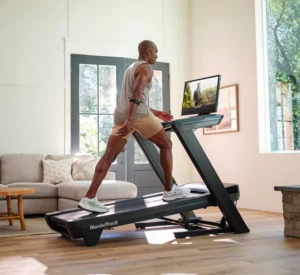
The environment in which you place the best home treadmill workouts can greatly affect your workout routine. If possible, place your treadmill in a spot that gets plenty of natural light, which can boost your mood and energy levels during workouts. Make sure the area is well ventilated and consider adding a fan to help you stay cool during intense workouts. Set up an entertainment hub with easy to use controls for your music, podcasts, or videos. Keep a towel rack, water bottle holder, and device charging station close by to eliminate any interruptions to your workout. You might also want to add some motivational items to your treadmill area, such as a progress chart, goal board, or photos of people who inspire you to stay fit. These can serve as a visual reminder of why you're working out when you're feeling unmotivated.
Maximize Your Home Treadmill Workout: Expert Advice & Techniques
One of the greatest advantages of treadmill training is its adaptability. With the right techniques, you can achieve any fitness goal right from your living room. Tailoring your workouts to match your specific goals ensures that you're not just exercising, but exercising with a purpose. Instead of settling for the same steady jog, think about what you really want to achieve with each workout.
Whether you're looking to lose weight, build endurance, improve performance, recover from an injury, or gain strength, your treadmill workout should be tailored to your specific goals. This means choosing the right intensity, duration, recovery periods, and incline settings. A one size fits all workout won't give you the results you want.
1. 30-Minute HIIT Session for Fat Burning
High Intensity Interval Training (HIIT) is the go to for efficient fat burning in a short amount of time. A well planned HIIT treadmill workout triggers the “afterburn effect,” where your body keeps burning calories at a higher rate for up to 24 hours after the workout. Start with a 5-minute slow warm up, then alternate between 30-second sprints at 85-95% of your maximum effort and 90-second recovery periods at a comfortable walking pace. Repeat this cycle 10 times before a 5-minute cool down. This routine maximizes excess post exercise oxygen consumption (EPOC), leading to more calorie burn than steady state cardio in less time.
2. Progressive Run for Endurance
Cardiovascular endurance is built by gradually pushing your limits with progressive overload. This workout starts off easy and progressively gets more challenging. Start with a 10-minute warm-up at a pace that is comfortable for you, then increase your speed by 0.5 mph every 5 minutes while maintaining a level of effort that allows you to hold a conversation. Once you reach a pace that is moderately challenging, hold it for 15-20 minutes before gradually reducing your speed over 10 minutes to cool down. This method trains your cardiovascular system to efficiently deliver oxygen during prolonged activity and builds mental stamina for longer efforts.
3. Speed Training for Performance Boosts
To increase your running speed, you need to train in a way that develops your fast twitch muscle fibres and neuro-muscular efficiency. Once you've done a comprehensive 10-minute dynamic warm-up, set your treadmill to a 1-2% incline to more closely mimic outdoor running conditions. Do 8-10 repeats of 20-second all out sprints, followed by 40 seconds of complete rest (either by holding the sides and straddling the belt or stepping off safely). Concentrate on strong arm drive and fast foot turnover during sprint intervals. This workout doesn't just build raw speed, it also improves your body's lactic acid buffering capacity, which allows you to maintain higher intensities during other workouts.
4. Recovery Walk, Run Combo
Recovery workouts are essential for adaptation and preventing overtraining, but many people forget to do them. This low intensity workout helps increase blood flow to damaged tissues while keeping movement patterns without stress. Set your treadmill to a comfortable walking speed (around 3.0-3.5 mph) and keep it for 5 minutes, then lightly jog (around 5.0-6.0 mph or whatever feels like a 4/10 effort) for 2 minutes. Alternate between these segments for a total of 20-40 minutes, keeping your heart rate below 65% of your maximum. The changing patterns prevent boredom while the controlled intensity allows your body to recover actively rather than through complete rest.
5. Hill Climbing Strength Builder
Using the incline function on your treadmill targets the muscles in the back of your body (glutes, hamstrings, calves) more effectively than flat running, and it reduces impact forces. Begin with a 5-minute warm-up on a flat setting, then increase your incline to 4% while maintaining a pace that is challenging but manageable for 3 minutes. Increase the incline by 1% every 3 minutes until you reach 10%, then begin decreasing the incline by 1% every 3 minutes until you return to a flat setting. This pyramid structure builds strength and power in your lower body while improving your running economy. For advanced trainees, adding short (15-30 second) “surges” at each incline level can further enhance the strength building stimulus.
Improve Your Treadmill Technique
Good form isn’t just about avoiding injury, it’s about getting the most out of every workout. Many people develop bad habits on the best home treadmill workouts that waste energy and raise the risk of injury. Running on a treadmill is different than running outside because the ground is moving under you, so you need to adjust your technique a little.
Over striding, too much upper body rotation, and hunched postures that limit breathing are the most common mistakes people make when running on a treadmill. Running with a slight forward lean from the ankles (not the waist), compact arm swing, and midfoot striking pattern can significantly improve your treadmill experience and results. These changes may feel odd at first, but they become second nature with practice.
Keep in mind that as you get tired, your form can start to slip. So, if you're doing a long workout, pay attention to your form the whole time. If you notice that your form is starting to slip, it's better to temporarily decrease your intensity than to risk injuring yourself. You might also want to consider recording your treadmill workouts so you can watch them later and see if there's anything you need to improve that you didn't notice while you were running.
Treadmill Form Mistakes to Avoid
When using a treadmill, it's easy to fall into bad habits that can affect your workout. One of the most common mistakes is gripping the handrails, which can decrease your calorie burn by up to 20% and throw off your body's natural alignment. Looking down at your feet or bending over the console can limit your breathing and put strain on your neck during longer workouts. Bouncing too much can waste energy that could be used to propel you forward, and taking too long strides (over striding) can create a braking effect with each step. Standing too close to the front of the belt can cause anxiety and interfere with your natural stride. Instead, stand in the middle of the belt with your eyes looking forward, your shoulders relaxed, and your hands either at your sides or in a comfortable running position.
How to Run Correctly to Avoid Injury
When you run on your treadmill, the right posture can help you avoid injury and make your workouts more efficient. You should stand up straight and lean forward a little from the ankles, not the waist. This will help you use your core muscles and run better. Keep your shoulders relaxed and down, away from your ears. Your arms should be bent about 90 degrees and swing forward and back, not across your body. When you step, your foot should land under your body, not in front of it. This can cause you to brake and put stress on your joints with each step.
Keep your eyes straight ahead, about 10-15 feet in front of you, instead of looking down at your feet or the console. This position of your head will naturally align your spine and open your airways for optimal breathing. If you constantly find yourself drifting towards the front of the treadmill or feel like you're about to fall off, you're probably running too close to the console, move back to the centre of the belt where you have room to maintain your natural stride without anxiety.
How to Breathe Properly for Better Performance
It's easy to overlook the importance of breathing properly when using a treadmill, but doing so can significantly improve your performance and stamina. Instead of taking shallow breaths from your chest, try taking deep breaths from your diaphragm, making sure your belly expands when you inhale. This method of breathing allows more oxygen to reach your muscles and helps keep your core stable. For medium intensity workouts, consider adopting a rhythmic breathing pattern that matches your steps, inhaling for three steps and exhaling for two can help prevent side cramps and ensure a steady supply of oxygen.
When you're in the midst of a high intensity interval, concentrate on strong exhales that completely empty your lungs. This will allow you to take in more air on the next breath. If you find yourself having trouble keeping up, check your breathing. Often, focusing on deeper, more rhythmic breaths can help you keep going for another 15-30 seconds before you really start to feel tired.
How to Beat Treadmill Boredom: Fun Tips and Tricks
Often, the hardest part of using a treadmill isn't the physical exertion, but the mental monotony. Introducing some fun into your routine can make your workout more enjoyable and can even boost your performance by taking your mind off the physical strain. The trick is to choose activities that are engaging but won't interfere with your form or safety.
Building a playlist for your workout with songs that match your desired intensity level can change the way you train. Studies have shown that music with 120-140 beats per minute is best for most moderate-intensity runs, while faster tempos (150-180 BPM) can help maintain effort during high intensity intervals. Think about making different playlists for different types of workouts recovery sessions might benefit from calming, slower tempo music while sprint intervals need energizing tracks.
Engaging Your Ears Beyond Music
Music may be the go to for the best home treadmill workouts, but podcasts and audiobooks are becoming increasingly popular. They can help the time fly by during longer treadmill sessions. Choose content that you find interesting but doesn't require a lot of concentration. Interviews, storytelling formats, and educational topics that don't require you to look at anything are great options. If you're doing a structured workout, consider a guided running program. They provide professional coaching cues that are timed to different parts of your workout. These audio trainers can help you distribute your effort more effectively and provide motivation right when you're likely to start feeling tired.
Try out different audio options for different workouts, you might find that audiobooks are great for steady-state runs while high energy music playlists are best for interval sessions where timing and motivation are key. Many runners have also found that switching between different types of audio within a single workout (music for high intensity parts, podcasts for recovery) helps keep them interested during longer sessions.
Choosing Visual Entertainment That Doesn't Hurt Your Posture
While visual entertainment can make treadmill workouts more enjoyable, it's important to use it in a way that doesn't harm your running form. To keep your neck and posture aligned, place screens at eye level instead of looking down. To break up the monotony of running in place, consider virtual running routes that take you through beautiful landscapes and naturally change your speed with visual cues. If you prefer to watch TV or movies while you run, choose programs with short scenes and lots of action. You don't want to get too caught up in a complex plot that requires constant attention. Many runners find that sports games, nature documentaries, or action packed shows are perfect for treadmill workouts.
If you're looking for a more regimented workout, consider treadmill workouts that include visual coaching. Many of the newer treadmills have workouts you can program with visual cues for when to change intensity, adjust your form, and get feedback on your performance. These guided visual sessions can make your workout more fun while also improving the quality of your workout with professional coaching.
Get the Most Out of Your Treadmill Calorie Burn
By learning how calorie burning works, you can make every minute on your treadmill count. The main things that affect how many calories you burn are your body weight, how hard your workout is, how long you exercise, and how efficiently your body moves. You can't change your body weight right away, but you can make the most of the other factors.
One of the best ways to get more bang for your buck during a short workout is to play with the intensity. Study after study has shown that adding in bouts of high intensity work can boost your metabolism much more than steady state exercise. Even short bursts of high intensity work (20-60 seconds) with moderate recovery periods can burn 15-25% more calories than the same amount of time spent at a continuous moderate effort.
Understanding the Benefits of Incline Training
While incline training is one of the most powerful ways to ramp up your workout intensity, it's often overlooked. Simply walking at a 5% incline can burn around 30-40% more calories than walking on a flat surface at the same speed. This boost in calorie burning is due to the increased muscle activation in your posterior chain (hamstrings, glutes, calves) and the extra effort needed to move your body weight against gravity.
If you want the best results, try doing progressive incline work instead of just sticking to one incline. Start with a 2-3% incline and slowly work your way up to 8-10% before coming back down. This pyramid style workout is tough, but it constantly changes the demands on your muscles. Even when you're recovering, keep the treadmill at a slight incline (1-2%). This is more like running outside, and it keeps you from getting help from the treadmill when it's completely flat.
How Interval Training Boosts Your Metabolism
Interval training has an incredible effect on your metabolism, and it's not just during your workout. This is due to something called excess post exercise oxygen consumption (EPOC), or the “afterburn effect.” When you do high intensity intervals, you create a big oxygen debt. Your body has to make up for that during recovery, which boosts your metabolism for 12-24 hours after your workout. Studies have shown that if you structure your interval sessions right, you can burn an extra 150-250 calories after your workout compared to doing steady state exercise for the same amount of time.
To really get your metabolism working, try incorporating “Tabata style” intervals (20 seconds of giving it your all, 10 seconds of recovery) or longer work periods (60-90 seconds at 85-90% effort) with equal recovery times. These challenging interval structures are the best way to put your body under the kind of stress that will stimulate immediate and prolonged calorie burn. But don't overdo it, limit these high intensity sessions to 2-3 times a week to give your body time to recover and adapt.
The importance of steady state cardio
Interval training is great for burning calories, but traditional steady state cardio is still an essential part of a balanced best home treadmill workouts routine. Moderate intensity continuous training helps to improve capillary density, mitochondrial function, and fat burning enzyme activity. These changes help your body to use fat as fuel during long periods of activity. These improvements also help you to do higher intensity work during interval sessions.
To burn fat effectively, include 1-2 weekly sessions of longer, moderate intensity treadmill workouts (30-60 minutes at 60-70% of your maximum effort). These workouts should be tough but manageable, allowing you to talk without gasping for breath. The total calories burned from these sessions significantly add to your weekly energy expenditure while offering active recovery between more intense workouts.
How to Make the Most of Your Treadmill's High-Tech Features
Today's home treadmills are packed with high-tech features that, when used correctly, can greatly improve the effectiveness of your workout. Instead of overlooking these features or using them without much thought, take the time to learn how they can be used strategically to help you achieve your fitness goals. The most useful features usually include heart rate monitoring, programmable workouts, performance tracking, and a range of settings beyond basic speed control.
Using Heart Rate Monitoring to Train in Zones
Training based on heart rate takes the guesswork out of how hard you're working by giving you a factual measure of how hard your heart is working. Most good home treadmills have heart rate monitors built into the handlebars or have the ability to connect to a chest strap heart rate monitor. To train in zones, you first need to calculate your estimated maximum heart rate (220 minus your age) and then identify your training zones, fat burning (60-70% of max), aerobic (70-80%), anaerobic threshold (80-90%), and VO2 max (90-100%).
Design your treadmill workouts to focus on particular physiological changes by keeping your heart rate within the right zone. To enhance fat metabolism, try longer sessions (30+ minutes) in the 60-70% zone, while to build cardiovascular endurance, go for sustained efforts in the 70-80% range. Use higher zones sparingly and strategically through interval training, saving the 90-100% zone for very short efforts by seasoned exercisers. Many high-end treadmills provide pre-set heart rate zone workouts that automatically change speed and incline to keep you in your target range throughout the session.
Choosing Between Pre-Set Workouts and Customized Workouts
Pre-set workouts are designed by professionals and are structured progressively. This is something that many people who exercise at home wouldn't be able to do on their own. These workouts usually include a warm-up and cool down phase, intensity progressions, and recovery intervals that are strategically placed based on the principles of exercise science. For those who are new to exercising or are unsure of how to structure their workouts, these pre-set programs are an excellent place to start and they take the guesswork out of planning a workout.
However, as you progress, creating a custom workout allows you to focus on your specific needs and preferences. Most modern treadmills allow you to save custom programs with your preferred changes in intensity, timing intervals, and even sync with entertainment. The best approach is to combine both options, use pre-programmed workouts as templates that you gradually modify to increase specificity for your goals. This hybrid approach maintains the science based structure of professional programming while incorporating your individual response patterns and preferences.
Recovery and Progression: How to Plan Your Weekly Treadmill Workouts
When you're planning your weekly treadmill workouts, it's important to balance workout intensity with recovery time. This helps you improve your fitness level without overdoing it. A common mistake that people make when they're exercising at home is to do the same type of workout every day. This can lead to a plateau in your fitness level and increase your risk of injury. Instead, try to plan different types of workouts throughout the week. This will help you work different energy systems in your body and give you enough recovery time between intense workouts.
When planning your treadmill workouts, make sure to think about them as part of your whole fitness plan, which might include strength training or other cardio. A good weekly schedule usually includes 3-4 treadmill workouts, each with a different focus: one longer workout at a steady pace for endurance, one high intensity interval training (HIIT) workout, one easy workout for recovery, and maybe one workout focused on hills or strength. This mix helps you become a well rounded athlete and also prevents overuse injuries from doing the same thing over and over.
Managing Workout Intensity and Recovery
The idea of alternating between intense and easy training is the cornerstone of a good treadmill workout. After every high intensity or long workout, either rest completely or do a very light recovery workout. This pattern of alternating between the two types of workouts allows your body to develop the changes that are triggered during hard workouts during the recovery periods. A lot of people who are into fitness think that working out hard every day will get them results faster. But in fact, this can often lead to poorer performance, hitting a plateau, or even getting injured or burning out.
Watch out for signals that you're not getting enough recovery time, a high resting heart rate, muscles that stay sore, a drop in performance, trouble sleeping, or a lack of motivation. These signs mean your body needs more time to recover between intense treadmill workouts. Keep in mind that your body adapts during recovery, not during the workout itself. The workout provides the stimulus, but your body builds fitness during rest periods.
Advancement Strategies for Various Objectives
Regular progression is crucial for ongoing improvement, but the best progression pattern varies based on your primary objective. For weight management, slowly increase total weekly volume (time or distance) by 5-10% every 2-3 weeks while maintaining consistent intensity distribution. Performance focused progression should initially emphasize volume increases before adding higher intensity work, following a 3:1 loading pattern (three weeks of increasing challenge followed by one week of reduced volume for recovery).
If you're a beginner, it's best to focus on getting into the habit of using the best home treadmill workouts regularly before you worry about increasing the intensity of your workouts. For those who are at an intermediate level, it's a good idea to alternate between increasing the duration of your workouts and increasing the intensity. If you're advanced, you'll likely need to use a more sophisticated approach that varies the focus of your training over several weeks.
Keep a detailed record of your treadmill workouts. This should include not just measurable factors such as time and distance, but also your personal perception of how hard the workout was, how much you enjoyed it, and any physical discomfort you experienced. This information can help you figure out the best rate of progression based on your individual response and recovery abilities.
Knowing When to Switch Up Your Treadmill Routine
Understanding when to switch up your treadmill routine can help you avoid plateaus and continue to see progress. Your body will typically adapt to a workout within four to six weeks of consistent training, and it will become more efficient at performing the same exercises, which will cost you less energy. While this is a sign of improved fitness, it also means that you will burn fewer calories and see less benefit from the same routine.
“Our bodies love a challenge, but they also need consistency to perfect movement. The best training regimen introduces new elements every 4-6 weeks while keeping core movement patterns.” Dr. Martin Gibala, HIIT Research Pioneer
Keep your workout routine interesting and effective by using the “change the variable, not the workout” principle. This means that if you have a successful workout structure, you should stick with it but try changing some of the specific parameters. For example, if a certain interval pattern is working well for you, keep the timing the same but try changing the incline instead of the speed. This way, you can keep the parts of your workout that are working well while still introducing enough change to keep your body adapting.
Every 4-6 weeks, plan intentional “evaluation workouts” that follow the same procedure under standardized conditions. If you see progress in your performance metrics during these benchmark sessions, it's a sign that your program is working. However, if you hit a plateau, it's time to make some major changes to your routine. Keep in mind that maintenance phases 2-3 week periods where you solidify adaptations without trying to up the ante, can help you avoid overtraining and give you a mental break.
Keeping Your Treadmill in Top Shape
Your treadmill is a big investment in your fitness, and taking care of it helps it last longer and keeps you safe while you're using it. Many problems with performance, strange sounds, and even safety issues come from not taking care of your treadmill, rather than the machine itself breaking down. A treadmill that's taken care of will have a better running surface, more accurate performance numbers, and will work well for its whole life.
Regular maintenance of your treadmill not only keeps you safe, but it also improves the quality of your workout. It ensures that the belt tension is consistent, the deck is properly lubricated, and the speed and incline functions are accurately calibrated. These factors can affect your biomechanics during exercise, which can reduce your risk of injury and ensure that your training data is reliable for tracking your progress. You should establish a maintenance schedule based on how often you use your treadmill. If you use it a lot, you should perform basic checks more often than if you only use it occasionally.
Fast Everyday Checks
Before you start your workout, take 30 seconds to do a quick check of your treadmill to avoid any potential problems. Look at the belt to see if it shows signs of wear, if the edges are fraying, or if there's any debris on it before you step on. Make sure the emergency stop is working by pulling the safety key while the belt is moving slowly. Clean the console and grip areas with a cleaner that's safe for electronics to prevent sweat from corroding it and bacteria from growing. Listen for any strange noises during the first minute of operation at a slow speed, as these often indicate mechanical problems that can be fixed before the component fails.
Additional Exercises to Improve Treadmill Workouts
While treadmill workouts are great for cardiovascular health and lower body strength, adding other exercises to your regimen can help you get even more out of your treadmill workouts. A well rounded workout plan that includes treadmill workouts along with strength, mobility, and functional training can provide better results than a treadmill only workout. These additional exercises can help correct muscle imbalances that can occur from running repeatedly and can also help improve power, stability, and injury resistance.
Don't think of strength training as an afterthought to your treadmill workouts. Instead, view it as a key part of a well rounded running regimen. Studies have consistently shown that runners who include appropriate strength training are less likely to get injured, have better running efficiency, and often perform better than those who only concentrate on distance. Even doing strength training for 15-20 minutes, two to three times a week, can significantly improve your treadmill workout results.
Stretching for Runners
Regular stretching can counteract the repetitive treadmill training movements that can cause muscle tension over time. Pay special attention to hip flexibility with exercises like 90/90 transitions, world's greatest stretch, and active hip circles. Ankle flexibility directly affects running mechanics include calf raises with slow lowering phases, ankle circles, and banded ankle mobilizations before treadmill sessions. For upper body flexibility, thoracic spine rotations and shoulder openers can prevent the hunched posture that often develops during tired running. Include these stretching exercises in your warm-up routine, between intervals during recovery periods, or as a separate 10-minute daily practice to maintain optimal movement quality.
Transform Your Fitness in 30 Days with This Treadmill Plan
Real fitness transformations don't just happen, they're the result of a carefully structured progression based on tried and true principles. This 30-day plan uses a variety of treadmill workouts to systematically improve your cardiovascular fitness, muscular endurance, and metabolic efficiency. Instead of a hodgepodge of different daily workouts, this program uses proper training cycles with built-in progression and recovery phases. This approach ensures you get the most out of your workouts without burning out or getting injured.
The plan is divided into three parts, each lasting 10 days, and each with a specific focus. The first part is about establishing consistent habits and baseline conditioning. The second part is about introducing more variation in intensity and volume. The third part is about integrating more advanced training techniques for breakthrough results. Each part alternates between workouts that focus on different energy systems and training emphases, to ensure complete fitness development while allowing for appropriate recovery between challenging sessions.
The best home treadmill workouts routine should be supplemented with the strength and mobility exercises discussed previously, preferably on days when you're not running on the treadmill or after lighter treadmill workouts. Consistency is more important than perfection, if you stick to this plan 80-90% of the time, you'll see a noticeable improvement in your cardiovascular health, body composition, and energy levels in just 30 days. To keep making progress after this initial transformation, repeat the phases, gradually raising your goals while keeping the basic structure that systematically improves fitness across all energy systems.
You can achieve gym quality results from home treadmill training with the right approach. Remember, Fitness Option offers custom treadmill workout plans that are tailored to your specific goals, fitness level, and available equipment. This helps you get the most out of every minute you spend on your treadmill.