



Summary
- Are exercise bikes good for weight loss well if doing HIIT it can burn up to 30% more calories than traditional steady state cardio in less time, making them a great choice for busy fitness enthusiasts who want to work out at home.
- Correct bike setup is important for preventing injury and getting the most out of your workout, your knee should be slightly bent (15-20 degrees) at the bottom of the pedal stroke.
- Adding strength training to your cardio routine on the exercise bike creates metabolic conditioning workouts that continue to burn calories long after you've finished your workout.
- Progressive overload principles also apply to indoor cycling, gradually increasing the duration, resistance, or intensity over weeks will ensure you continue to see improvements in your fitness.
- Fitness Option offers affordable exercise bikes that are perfect for all the workout routines detailed in this comprehensive guide.
Are you tired of the same old indoor cycling routine? You're not the only one. The monotony of pedalling in place while staring at the wall has caused many fitness journeys to come to a halt. But what if your exercise bike could be the most versatile and effective piece of equipment in your home gym?
What's the secret to making your indoor cycling workouts more exciting and effective? It's all about mixing things up, managing your intensity levels, and knowing how to play with factors like resistance, speed, and your position on the bike. I've spent years coming up with and testing exercise bike workouts that really work, and today I'm going to share my top picks with you.
Fitness Option has been a trailblazer in providing affordable home exercise equipment that performs at a professional level, ensuring that these efficient workout routines are available to all, regardless of budget limitations.
Quick Overview
This all encompassing guide offers research supported exercise bike workout routines created for home fitness lovers who want to get the most out of their workouts with minimal equipment. You'll find HIIT sessions that burn calories in less than 20 minutes, endurance workouts that increase cardiovascular endurance, and combination routines that work your whole body for total fitness improvement. We'll also look at how technology can improve your indoor cycling experience and offer a step by step 30-day challenge to take your fitness from novice to expert.
7 Fat-Burning Workouts for Your Exercise Bike
For many years, the fitness industry has promoted steady state cardio as the best way to lose fat. However, recent studies show that changing the intensity of your workouts can significantly improve your calorie burn and metabolism. These seven workout structures challenge different energy systems in your body, which keeps your body guessing and constantly adapting. What sets these routines apart? They include real high intensity intervals, not just a little harder pedalling.
Why Regular Bike Workouts Don't Always Work
Many exercise bike routines don't work because they don't include progressive overload and variation. Your body quickly gets used to pedalling at the same resistance levels, which can lead to a lack of progress and a decrease in motivation. Regular workouts often don't reach the intensity level needed to trigger EPOC (Excess Post exercise Oxygen Consumption) the afterburn effect that keeps burning calories hours after your workout. Also, many cyclists keep the same posture and use the same muscles, ignoring large muscle groups that could help burn more energy and condition the whole body.
How to Know If Your Current Workout Isn't Effective
Are exercise bikes good for weight loss well if you are pedalling your heart out, but seeing little to no results? It might be time to change your routine. If you're not seeing any changes in your heart rate during workouts, if your weight loss or body composition has plateaued, or if you're not as motivated to hop on the bike as you used to be, these could all be signs that your current routine isn't working. If you're not sweating as much during workouts that used to be challenging, this could be a sign that your body has adapted to the workout. And if you're not feeling that post workout rush of endorphins that used to make exercise feel so good, this could be another sign. But don't worry, these signs don't mean that indoor cycling isn't for you. They just mean that your body needs a new challenge.
Why These Workouts Stand Out
The exercise bike routines I'm sharing bring three important elements to the table that you don't typically see in traditional programs. First, they use authentic high intensity intervals where you're pushing yourself to 85-95% of your maximum effort, a level most home cyclists don't usually reach. Second, they strategically switch up your position on the bike (sitting, standing, hovering) to work different muscle groups and avoid overuse patterns. Third, they use periodization systematic changes in training variables over time to prevent your body from adapting and to keep progress going.
These workouts are based on the scientific principle of metabolic disturbance. This means they create enough stress on your body to force it to adapt, while also allowing you enough time to recover. Traditional bike workouts might burn calories while you're doing them, but these routines create lasting changes in your metabolism that enhance fat burning for hours afterward. At the same time, they build lean muscle tissue.
Fast and Furious: Quick HIIT Bike Workouts (20 Minutes or Less)
When you're strapped for time but still want to get the most out of your workout, high intensity interval training (HIIT) is the way to go. These three fast and furious routines take just 20 minutes or less, but they'll burn as many calories as a much longer, traditional workout. The key is in the intensity, you have to really push yourself during the work intervals, which is why it's so important to take recovery periods. They'll help you keep up your performance throughout the workout.
Before you start any high intensity interval training (HIIT) workout, make sure to warm up properly with 3-5 minutes of light pedalling. This will get your heart and muscles ready for the hard work to come. These workouts can be adapted to any fitness level. Instead of reducing your effort, adjust the resistance. Regardless of your current fitness level, you should aim for your personal maximum intensity during work intervals.
1. The 4×4 Interval Destroyer
Well we need to know are exercise bikes good for weight loss workout routine, this study is backed by Norwegian exercise scientists, has shown to be highly effective in improving VO2 max and fat oxidation. After warming up, you'll perform just four work intervals of 4 minutes each at 85-90% of your maximum heart rate (or an 8-9 out of 10 perceived exertion). Between each intense interval, recover with 3 minutes of active recovery at 60-70% of max heart rate. The key is maintaining high intensity for the full 4 minutes of each work interval, this sustained effort creates significant cardiovascular adaptation without the joint stress of running or jumping exercises.
2. Tabata Style Sprint Burner
Originally created by Japanese scientist Dr. Izumi Tabata, this highly efficient method packs a hefty metabolic punch into just four minutes of work. The structure is simple but punishing, pedal at maximum intensity for 20 seconds, then recover for 10 seconds, repeating this cycle 8 times. What makes this effective on an exercise bike is the ability to instantly transition between all out effort and recovery without losing momentum. For maximum effectiveness, set resistance high enough that you can't maintain your sprint pace beyond the 20-second mark, if you could keep going, you're not pushing hard enough.
3. Pyramid Power Intervals
This workout routine will keep you on your toes and challenge different energy systems. Start with a 30-second sprint followed by 30 seconds of rest. Then, increase to 45 seconds of work with 45 seconds of rest, then 60 seconds work, 60 seconds rest. Then work your way back down the pyramid (45/45, 30/30). The best part about this routine is the psychological advantage, just when the longer intervals start feeling impossible, you begin decreasing interval duration. Adjust resistance as needed to maintain high intensity throughout each work interval regardless of duration.
Long Bike Rides for Stamina (30-45 Minutes)
Even though High Intensity Interval Training (HIIT) is a great way to maximize your time, endurance training is crucial for building up cardiovascular stamina and mental resilience, which are key to overall fitness. These longer sessions help train your body to use fat as fuel, increase the density of your mitochondria, and strengthen your cardiovascular system. The trick to effective endurance work is to avoid the “trap of moderate intensity” you should either go really easy (for recovery and fat utilization) or really hard (for the benefits of high intensity). The vague middle ground doesn't provide much stimulus for improvement.
1. Imitating Rolling Hills
This workout is designed to simulate the experience of riding outdoors by alternating between segments of flat road and challenging uphill climbs. Begin with a 5-minute warm-up, then alternate between 3-minute “flat road” intervals (moderate resistance, faster cadence of 80-100 RPM) and 2-minute “hill climbs” (high resistance, slower cadence of 60-70 RPM). For an added challenge, stand up out of the saddle during the last 30 seconds of each climb. The constant change in stimulus keeps things interesting and trains different muscle fibre recruitment patterns. Complete 7-8 cycles for a total workout time of 35-40 minutes, improving both your aerobic capacity and muscular endurance.
2. Steady State with Power Surges
Steady state cardio can be made much more effective when you mix in strategic bursts of high intensity. Start with a 5-minute progressive warm-up, then find a sustainable pace at 70-75% of your maximum effort (you should be able to speak in short sentences). Every 4 minutes, add in a 30-second “power surge” where you increase both resistance and cadence to reach 85-90% of maximum effort. After each surge, go right back to your steady state intensity. These periodic accelerations keep your body from adapting, recruit fast twitch muscle fibres, and significantly increase calorie burn without overwhelming your system. Aim for 6-8 power surges within a 35-minute session.
3. The Long Climb Challenge
This workout is a mental and physical challenge that simulates a long mountain climb, building excellent lower body strength and cardiovascular endurance. After you've warmed up, slowly increase resistance every 2 minutes while keeping a steady cadence of 60-70 RPM. By the 20-minute mark, you should be at about 80% of your maximum resistance capacity. Maintain this high resistance for 5 minutes, then slowly decrease resistance every 2 minutes until you've completed a full 40-minute workout. This method of progressive overload builds impressive quad strength and mental toughness while improving your lactate threshold, the point at which your muscles start to tire from acid build-up.
Whole Body Exercise Bike Workout Routines
Traditional cycling tends to focus on the lower body, but these clever routines turn your exercise bike into a full body workout machine. By smartly mixing cycling intervals with strength and core exercises, you'll burn more calories, increase your functional fitness, and create a more balanced muscle tone. These combination workouts also stop the posture problems that can come from only cycling, keeping your biomechanics healthy and lowering your risk of injury, but we all want to know is, are exercise bikes good for weight loss, the answer is yes.
Pedal & Pump Upper Body Workout
This routine combines cycling and upper body strength training for a workout that gets your heart pumping and strengthens your muscles. Start with 5 minutes of moderate intensity cycling to warm up. Then, cycle at a higher intensity for 3 minutes. Hop off your bike and do a superset of 12 push-ups and 12 bent over dumbbell rows. Get back on your bike for another 3-minute interval. Then, do 12 shoulder presses and 12 bicep curls. Keep alternating between cycling and different upper body exercises. This way, you keep your heart rate up while working the upper body muscles that you usually don't use in cycling workouts.
Ab-Toning Cycling Routine
A strong core helps you cycle with more power and efficiency, making this combination a natural fit. Start with a 5-minute cycling warm-up, then switch between 2-minute high resistance cycling intervals and 45-second core exercises off the bike. This format keeps your heart rate up while systematically strengthening your entire core.
- Plank holds (keep your spine in a neutral position)
- Russian twists (engage your obliques for rotational strength)
- Bicycle crunches (target your rectus abdominis and hip flexors)
- Bird dogs (improve your spinal stabilization and cross body coordination)
- Hollow body holds (develop your deep core activation)
These core exercises will not only strengthen the muscles that support your cycling posture, but they will also actively counteract the flexed position you maintain while cycling. This balanced approach will prevent the lower back pain that can sometimes accompany intensive cycling programs, while developing the core stability you need for power transfer during pedalling.
Instead of rushing through the core exercises, focus on doing them correctly for them to be most effective. You should be concentrating on quality contractions during the short 45-second work periods, not quantity. As you get better, increase the duration of the core exercises to 60 seconds, but keep the cycling intervals at 2 minutes.
Flexibility Ride for Recovery Day
Recovery doesn't mean doing nothing, this easy routine combines gentle cycling with dynamic flexibility exercises to boost blood flow, clear out waste products, and increase range of motion. Start with 10 minutes of very light cycling (resistance at 3-4/10, RPE at 4-5/10), then get off the bike for some dynamic stretches like the world's greatest stretch, side lunges, and arm circles. Get back on the bike for another 10 minutes before doing a final round of stretches focused on hip flexors, hamstrings, and the mobility of the thoracic spine areas that often get tight in cyclists.
Spice Up Your Bike Rides with Technology
Technology has changed the game for indoor cycling, turning it from a boring must do into an engaging, data focused experience. The right tech tools can offer performance stats, virtual settings, organized workouts, and a sense of community, all important factors for staying motivated and improving over time. While expensive connected bikes provide built-in solutions, you can get similar perks by smartly combining cost effective apps and add-ons with your current exercise bike.
Top Free Cycling Apps You Should Try
For indoor cyclists, the app marketplace is a goldmine. It's packed with free or inexpensive options that offer features that were once only found in high end studios. These apps can turn your smartphone or tablet into an all in one cycling computer, virtual trainer, and entertainment hub.
Top Free Cycling Apps You Should Download
There is an abundance of value in the app marketplace for indoor cyclists, as there are many free or low cost options that offer features that were once only available in boutique studios. Zwift turns your workout into a multiplayer online game where you can cycle with people all over the world in virtual environments that automatically change resistance based on the terrain. For structured training, Trainer-Road offers science based workout plans that adapt to your fitness level, and Peloton Digital offers studio quality classes for much less than the cost of the hardware. Each app uses different motivational tools, competition, data analysis, or the energy of the instructor to keep you engaged.
All you need is a phone mount for your handlebars and maybe a basic cadence sensor for better accuracy to use these apps. The investment is small compared to the motivational benefits of watching your performance metrics improve over time and the psychological boost of virtual environments or coached sessions.
Join Virtual Races and Challenges
Virtual events have levelled the playing field in competitive cycling, making it possible for anyone with an exercise bike to feel the thrill of training for and finishing organized challenges. Unlike traditional races that require travel and specific scheduling, virtual events are flexible but still offer the structure and community that encourage commitment. Platforms like The Conqueror Challenges allow you to virtually complete famous routes like Route 66 or the Appalachian Trail over a period of weeks or months, keeping track of your total distance with interactive maps and milestone badges. Monthly distance challenges on Strava offer simpler but still effective motivational frameworks, while Zwift's structured race calendar brings the excitement of competition to your home.
Performance Enhancing Music Playlists
It's a fact, the right music can have a big impact on your exercise performance by making the effort seem less intense and improving your mood. Research from Brunel University has shown that if you match the rhythm of your pedalling to the beat of the music (a process known as auditory motor entrainment), you can improve your efficiency by as much as 7%. If you're doing a HIIT workout, choose tracks with a beat per minute (BPM) of between 140-180 that matches the cadence you're aiming for during the intense intervals. If you're doing an endurance session, a playlist that gradually increases in tempo can subconsciously help you pace yourself. But it's not just about tempo, choose music that means something to you. Studies have shown that music that has emotional resonance for you can activate extra neural pathways that can improve your performance and make the exercise more enjoyable.
Creating a Bike Workout Space that Motivates
The psychology of your environment can greatly affect how often and how well you exercise. Your workout space should make it easy for you to start exercising, help you focus during your workout, and make you feel good so you want to come back. By making smart choices about how you set up your space, you can make your exercise bike a place you want to be, rather than a piece of equipment you have to force yourself to use.
When setting up your exercise bike at home, you really want to know are exercise bikes good for weight loss, it's important to find a balance between practicality and motivation. Place your bike somewhere you can see it every day, but make sure it's not in the way, this will help remind you to use it without it becoming an annoyance. Keep the room well ventilated and at a comfortable temperature, as getting too hot is a common reason for cutting workouts short. You might also want to think about what you'll be looking at while you're exercising, staring at a blank wall can make the workout feel even more stationary, so try positioning your bike in front of a window or a picture that inspires you.
Setting Up Your Equipment for the Right Posture
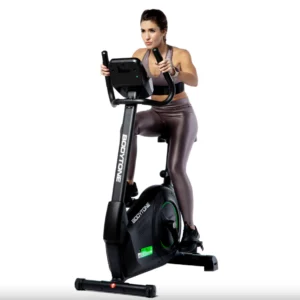
To avoid injury and make the most of your workout, you need to set up your bike correctly. The height of your seat should allow for a knee bend of 15-20 degrees at the lowest point of your pedal stroke. If your seat is too high, your hips will rock, and if it’s too low, your knees will be under too much stress. Your handlebars should allow you to lean slightly forward without putting strain on your back or pressure on your wrists. If you’re using a device mount to track your workout, place it at eye level to avoid straining your neck. If you’re incorporating strength training into your workouts, keep your dumbbells and other equipment within arm’s reach of your bike to keep your heart rate up during transitions.
Essential Add-Ons That Won't Break the Bank
Enhancing your workout routine on your exercise bike doesn't mean you have to spend a lot of money. A phone mount that is resistant to sweat (£15-20) allows you to securely place your phone in a spot where you can watch your workout or keep an eye on your metrics without worrying about it getting damaged. A simple heart rate monitor (£20-30) gives you the most crucial performance metric to help you manage your intensity and keep track of your progress. A large water bottle that has measurement markings (£10-15) makes it easy for you to stay hydrated and keep track of how much fluid you're taking in. For a more comfortable ride, a gel seat cover (£15) can make a huge difference, especially on lower end bikes that come with basic saddles. Lastly, a gym towel specifically for your bike (£5-10) can protect your bike from sweat that can cause it to corrode, and it can also make your workout more enjoyable when things get intense.
Staying Cool and Comfortable
Feeling comfortable during your workout has a big effect on how long you can keep going and how likely you are to stick with it. Set up a high speed fan right in front of your bike, pointing it at your upper body where sweating helps you cool down the most. For really tough workouts, get a second towel ready in a zip-lock bag in the freezer. You can use it as a quick way to cool down by putting it around your neck during breaks. Use anti-chafing balms on places where your skin touches the bike to avoid discomfort during long workouts. Wearing clothes that wick away moisture can make you a lot more comfortable than wearing cotton clothes that can get heavy and rough when they get wet. These easy fixes can help you overcome the most common physical reasons for not finishing your workouts.
The 30-Day Progressive Bike Challenge
Effective fitness programming is all about structured progression. This 30-day challenge takes the science of periodization and applies it to indoor cycling. It's a systematic approach that varies intensity, duration, and workout structure to prevent plateaus and build fitness in a sustainable way. Each week builds on the foundation of the previous one, introducing new challenges that stimulate continued adaptation. You'll do the assigned workout 6 days each week, with one full recovery day of your choice (we recommend light walking).
Week 1: Laying the Groundwork
The first week is all about getting into the swing of things and building a basic level of cardiovascular fitness without going too hard. Start off with 20-minute rides at a moderate intensity (5-6/10 perceived exertion) on days 1-3, making sure to maintain good form and keep a steady cadence between 80-90 RPM. On days 4-6, increase the length of your rides to 25 minutes and start adding in short 30-second “pickups” every 5 minutes where you slightly increase the resistance. These initial workouts will help to get your cardiovascular system into shape and get your butt used to sitting on the bike for longer periods of time, as well as start to train your brain to pedal efficiently before we start adding in more complex workout structures.
This week, take the time to adjust your bike to find the perfect seat and handlebar positions. Pay attention to how you feel during and after your workouts to understand your body's initial reaction to exercise. This first week may seem easy, but it's crucial for preparing your body for the more challenging workouts ahead and to reduce soreness and any feelings of discouragement.
Week 2: Upping the Ante
Now that you have a foundation of endurance, it's time to introduce some true interval training in the second week to kickstart your body's adaptation. On days 1, 3, and 5, you'll be doing pyramid intervals (as described earlier), starting with 20-second efforts and building up to 60 seconds before working your way back down. On days 2, 4, and 6, you'll continue with steady endurance rides but increase the duration to 30 minutes. These days will also incorporate “seated climbs” 3-minute segments where you increase the resistance to build your muscular endurance. This week is all about creating a metabolic disturbance to speed up your fitness gains, while also making sure to balance intensity with recovery to avoid overtraining.
Keep an eye on your recovery between workouts this week, a little muscle soreness is normal, but if you're feeling constantly tired, you might need to ease up a bit. The aim isn't to make yourself suffer as much as possible, but to find the best training stimulus that your body can effectively adapt to. You might find that you sleep better this week as your body gets used to the new activity pattern and starts to produce more growth hormone.
Week 3: Tailored Training Focus
In the third week, the workout will be specialized, targeting specific physiological adaptations with unique training stimuli. On days 1 and 4, you will focus on threshold development with 5-minute sustained efforts at a challenging resistance (7-8/10 RPE). On days 2 and 5, you will emphasize neuromuscular power with ultra-short sprints (10-15 seconds maximum effort followed by full recovery). On days 3 and 6, you will incorporate the full body workout combinations described earlier, addressing muscular balance and maximizing calorie burn. This varied approach prevents adaptation stagnation while developing complementary fitness components that enhance overall cycling performance and health outcomes.
Week 4: The Week of Pushing Limits
For the final week, we have planned a strategic taper, which includes “fitness tests” to track your progress. The first two days will have shorter but high quality workouts that focus on intensity rather than volume. On Day 3, you will be faced with a benchmark challenge, reproducing your workout from Week 1 Day 1, while comparing heart rate response and perceived exertion. Most participants find that what was initially challenging now feels comfortable, which is a clear indicator of cardiovascular improvement. On Days 4 and 5, we introduce “kitchen sink” workouts that combine elements from all previous protocols to challenge your new capabilities.
On Day 6, you'll face the ultimate test, a 45-minute progressive workout that amps up the intensity every 5 minutes. This will push you to discover new boundaries and celebrate how far you've come. This final, structured challenge not only gives you a physical challenge but also a mental one, while setting a new standard for your future training.
Once you've finished the 30-day challenge, give yourself an active recovery week with 3-4 easy rides. After that, you can start another progressive cycle or maintain your new fitness level with 3-4 weekly sessions. Choose your favourite workout structures from the program.
What You Can Achieve
Everyone's body is different, and therefore, results can vary. However, with the right diet, consistency, and genetics, you can expect to see some real progress. This program combines high intensity intervals, endurance work, and full body training for a well rounded workout that goes beyond traditional steady state cycling. Plus, the variety keeps things interesting, so you're more likely to stick with it, unlike other home fitness programs that can get boring after a while, one of the things most people want to know are exercise bikes good for weight loss and the answer is yes.
Practical results encompass enhanced resting heart rate (usually 5-15 beats lower following 30 days), heightened work capacity (capability to maintain higher power output for longer periods), and favourable body composition transformations when paired with suitable nutrition. Participants regularly report improved sleep quality, diminished stress levels, and improved mood states advantages that frequently inspire continued participation even more than physical transformations.
General Calorie Burning Metrics
The number of calories you burn during an exercise bike workout can vary based on a number of factors, including your weight, your fitness level, and how hard you're working out. However, we can still provide some averages to help you plan. HIIT bike workouts typically burn about 12-14 calories per minute while you're working out, and then you can expect to burn an additional 15-25% of that number in the hours following your workout due to excess post exercise oxygen consumption. That means you can expect to burn about 300-350 calories for a 20-minute HIIT session, including your warm-up and recovery periods. Endurance focused sessions, on the other hand, typically burn about 7-10 calories per minute, which means you can expect to burn about 300-450 calories over the course of a 40-45 minute workout, depending on how well you're able to maintain your intensity.
Let's break this down. According to a study by the American Council on Exercise, indoor cycling burns more calories than the same amount of time spent on ellipticals or stair climbers. Plus, it's much easier on your joints than running on a treadmill. Workouts that combine strength training can boost the total number of calories you burn by about 20-30% compared to just cycling. That makes these workouts especially good for weight loss when you don't have a lot of time to spare.
Physical Changes in Just a Month
Studies show that significant physical changes can occur within just 4 weeks of consistent interval training. The density of mitochondria, the parts of the cell that process oxygen and fuel, can increase by 15-25% in muscles that are being worked out, greatly improving endurance. Stroke volume (the amount of blood that the heart pumps with each beat) typically increases by 10-15%, improving the delivery of oxygen throughout the body. The density of capillaries around muscles that are being worked out increases, improving the delivery of nutrients and the removal of waste. These changes make workouts feel “easier” even though the intensity is the same, and everyday activities like climbing stairs require noticeably less effort.
From a health standpoint, about 4 weeks of high intensity interval training can improve insulin sensitivity by around 25%, helping your body to process carbs and control blood sugar. Resting metabolic rate generally increases by 5-8% due to increased muscle activation and hormone system optimization, which helps to improve body composition beyond the direct calorie burn of workout sessions. These adaptations happen no matter how old you are, although the rate of progress may differ, with consistency being the main factor for results rather than the initial level of fitness.
How to Monitor Your Fitness Progress
While weight loss is an important indicator of fitness progress, there are other metrics that can provide a more comprehensive picture of your overall fitness level. One such metric is heart rate recovery, which measures how quickly your heart rate returns to its resting state after a workout. This metric improves quickly with regular cardiovascular exercise and is a reliable indicator of your overall fitness level. You can measure your heart rate recovery by timing how long it takes for your heart rate to drop to 100-110 beats per minute after a workout. The faster your heart rate recovery, the better your cardiovascular fitness. Other performance metrics, such as sustained power output at different heart rate zones, maximum sustainable cadence at specific resistance levels, or total work completed during standard test protocols, can provide measurable evidence of your improved work capacity.
Keeping track of subjective measures can also be very insightful. As your fitness level improves, you should notice a decrease in your rate of perceived exertion (RPE) for standard workouts. Quality of sleep, daily energy levels, and mood evaluations often improve significantly, reflecting physiological changes. For a complete picture, take measurements of your waist, hips, and thighs every month. These measurements are more accurate than scale weight in showing changes in body composition because they aren't affected by hydration, glycogen storage, and other factors that aren't related to fat.
Commonly Asked Questions
Through our experience of working with hundreds of clients on exercise bike programs, we have noticed that certain questions keep coming up. These questions are usually about how to get the most out of the program, what to expect, and what to do if something goes wrong. We have found that answering these questions helps our clients to stick with the program and get better results. Although everyone is different, we believe that these answers, which are based on scientific evidence, will be helpful to most people who are doing the workout routines we have described above at home.
Consistency is more important than perfection. It's better to do 80% of the workout perfectly 100% of the time, than to do 100% of the workout perfectly only some of the time. The best workout plan is the one that you'll actually do, so feel free to adapt these recommendations to suit your personal tastes and lifestyle. Just make sure to stick to the core principles of progressive overload and workout variation.
How often should I do intense exercise bike workouts?
High intensity interval training (HIIT) on an exercise bike should be limited to 2-3 sessions weekly with at least 48 hours between sessions for optimal recovery and adaptation. Research from the Journal of Physiology demonstrates that exceeding this frequency typically impairs recovery without accelerating fitness gains, potentially leading to overtraining syndrome. For optimal results, complement these intense sessions with 1-2 weekly moderate intensity rides (30-45 minutes at conversation pace) that build aerobic capacity without taxing recovery systems. This balanced approach creates complementary adaptations while preventing the hormonal disruption and motivation loss associated with excessive high intensity training.
If you are just starting with interval training, you should start with one HIIT session a week for the first two weeks. In weeks three and four, you can add a second session. You should only add a third session after you have established consistent recovery patterns. You can monitor your morning resting heart rate to see if you are recovering properly. If your heart rate is more than 5-7 beats above your baseline, you may not be recovering properly. This means you should postpone high intensity work until your heart rate returns to normal. Remember, you adapt to the workout during recovery, not during the workout itself. This means rest is just as important as the workout.
Can I target my belly fat specifically with these bike workouts?
While you will burn calories and lose fat overall with these bike workouts, the truth is that there is no scientific evidence to support the idea of spot reduction, losing fat from specific areas through targeted exercise. Fat loss happens throughout your body based on hormonal factors and genetics. However, the good news is that visceral fat (the deep abdominal fat that surrounds your organs) is usually the first to go when you start exercising, especially with high intensity interval training. A 2018 meta analysis published in Sports Medicine found that HIIT workouts resulted in greater reductions in abdominal fat compared to moderate intensity continuous training, even though the workouts were shorter.
For the best results on your body, it's important to combine these bike workouts with a balanced diet. This includes a moderate caloric deficit (10-20% below maintenance), consuming enough protein (0.7-1g per pound of bodyweight), and avoiding ultra-processed foods. This comprehensive approach will help you burn fat during and after exercise by addressing both sides of the energy balance equation. If you stick with this combined strategy, you should start to see noticeable definition in your abs within 6-12 weeks depending on your starting body composition.
What's the ideal resistance level for calorie burn?
Instead of sticking to a particular resistance number (which can differ from bike to bike), aim to maximize calorie burn by keeping your power output within your functional capacity for various workout structures. If you're doing HIIT, set the resistance high enough that you're almost at your max effort by the end of each interval, but still able to maintain good form and a cadence above 60 RPM. For endurance workouts, find the resistance level that lets you keep a steady output at 70-80% of your max heart rate. This personalized approach ensures you're working at the right intensity, regardless of your current fitness level or the specific bike you're on.
Do I need a high end bike for these workouts?
You can perform effective exercise bike workouts on any type of equipment, regardless of the price. What matters more is the structure of your workout and how consistent you are with it, not the fancy features that come with the bike. Entry level bikes (those that cost less than £500) typically provide the range of resistance and basic stability needed for all the workouts described here. However, they may not have the smooth pedal stroke and comfort features that come with high end models. If you're on a budget, look for a bike that has adjustable resistance, basic distance, time metrics, and is the right size for your body. While advanced features like power measurement, automated resistance control, and integrated screens can enhance your workout experience, they're not necessary for getting results.
How do I avoid getting a sore butt during long workouts?
It usually takes about 2-3 weeks for your butt to get used to the saddle, but there are a few tricks that can speed up the process. Wearing cycling shorts with chamois padding can significantly reduce friction and pressure without adding too much bulk. You should also try to sit on your sit bones rather than on your soft tissue. You can do this by adjusting your seat so that it’s either level or slightly tilted down at the front. If you need some immediate relief, a good gel seat cover can provide some temporary comfort while your butt is getting used to the saddle. But the most important thing you can do is to gradually increase the length of your workouts. Don’t try to do a long workout right away. Start with 20-minute workouts and add 5 minutes each week. This will give your body a chance to adapt.
Aside from the equipment, changing your position frequently during your workout can help to distribute the pressure. Try standing up every 10-15 minutes, even if it's only for 15-30 seconds. Take care of yourself after your ride by changing out of your damp cycling shorts right away. If you're going to be riding for a long time, use chamois cream before you start to reduce friction. These combined strategies can help to address the mechanical, tissue adaptation, and hygiene factors that contribute to saddle discomfort.
Are you prepared to take your fitness to the next level with these exercise bike workouts that are backed by science? Fitness Option provides exercise bikes that are not only dependable but also affordable, making these routines achievable for everyone, no matter what their space or budget limitations may be.