





Key Takeaways
- Techniques for mental toughness can substantially enhance physical performance by improving focus, resilience, and determination during best strength training exercise routine.
- Studies have shown that visualization and positive self talk can increase strength output by up to 15% during challenging workouts.
- Controlled discomfort training gradually builds both mental and physical resilience by teaching your mind to embrace difficult situations.
- Elite athletes attribute 50-90% of their success to mental training alongside physical preparation.
- Implementing mindfulness practices can reduce recovery time and decrease performance anxiety when facing physical challenges.
Building mental toughness isn't just for elite athletes or military personnel, it's the secret ingredient that transforms average fitness results into extraordinary achievements. When physical training plateaus, mental resilience is often what pushes you to the next level. At Calm, our research into performance psychology has shown that individuals who implement mental toughness techniques consistently outperform those who focus solely on physical training. The mind, muscle connection isn't just a catchy phrase, it's a scientifically validated approach to maximizing your potential.
Building mental toughness is a process that requires regular exercise and intentional training. It's similar to building muscle, it doesn't happen instantly. But if you have the right strategies and a methodical plan, you can build the mental strength you need to conquer your fitness goals, break through walls, and achieve what you once thought was unachievable.
Summary
This article will discuss mental strength techniques such as visualization, positive self talk, goal setting, mindfulness, and controlled discomfort training, all of which have been scientifically shown to improve physical performance. We'll dive into how your brain directly impacts muscle performance, the role of stress hormones in recovery, and share practical strategies used by top athletes to develop unbeatable mental strength along with physical strength. You'll get specific exercises to start using right away, learn how to break through plateaus using psychological tools, and understand the vital link between mental toughness and physical outcomes.
Why Mental Toughness Is Your Secret Weapon for Physical Results
When most people hit a fitness plateau, they immediately look to change their best strength training exercise routine or nutrition plan. What many fail to recognize is that mental barriers are often the true limiters of physical progress. Your body is capable of significantly more than your mind typically allows. Research at the University of Portsmouth found that participants who received mental skills training increased their endurance performance by an average of 15% compared to control groups who only received physical training.
Mental toughness is the backbone of consistency, which is the most crucial element in physical transformation. When your motivation dips (and it inevitably will), mental toughness ensures you keep going. It drives you to finish that last gruelling set when every part of you is screaming to stop. It gets you out of bed for early morning workouts when your bed feels like the cosiest place on earth.
One of the key aspects of mental toughness is that it changes how you see discomfort. Instead of steering clear of the pain that comes with a hard workout, those with mental toughness see it as a sign that they are improving. This change in outlook makes obstacles into chances for growth and turns difficulties into ways to get closer to your objectives.
Understanding the Mind Body Connection
The mind body connection is more than just a theory, it’s rooted in the science of neurology. Your central nervous system controls every physical action you take, from lifting weights to running marathons. When you build mental toughness, you’re effectively training your nervous system to perform better under stress, which can lead to better physical performance.
The Influence of Your Mind on Muscle Performance
Your brain has built in safety measures that stop you from pushing your body to its ultimate physical limits. This mental safeguard, often referred to as the “central governor theory,” was suggested by exercise physiologist Tim Noakes. He proposed that your brain proactively lessens muscle use to avoid extreme exhaustion. Training for mental toughness instructs your brain to safely bypass these cautious limits, which lets you tap into more of your real physical capability.
Interesting studies using functional MRI have demonstrated that mentally resilient people activate different brain pathways when confronted with physical obstacles. They show increased activity in the prefrontal cortex (which controls concentration and decision making) and decreased activity in the amygdala (the fear centre of the brain). This brain pattern enables more logical responses to physical discomfort rather than emotional responses.
Moreover, mental training boosts neuromuscular efficiency. Research has shown that visualization alone can enhance muscle activation and strength output. When athletes mentally rehearse perfect movement patterns, the neural pathways responsible for those movements are strengthened, even without physical practice.
Study on Stress Hormones and Recovery
The mental state you have during physical training greatly affects your hormonal state. Constant mental stress increases cortisol, which can hinder recovery, lower testosterone production, and encourage fat storage, especially around the waist. On the other hand, mental strength practices like meditation and controlled breathing have been proven to lower cortisol levels by as much as 20%.
An important study that was published in the Journal of Applied Physiology discovered that those who had high levels of stress took almost 60% longer to recover from the same best strength training exercise routine as those with low stress levels. This shows how your mental state can directly affect how well your body recovers physically. By using mental toughness techniques, you can create a hormonal environment that is better for building strength, endurance, and reaching your body composition goals.
Two hormones that are key for muscle growth and recovery, growth hormone and testosterone, are both positively influenced by mental training. Studies have shown that when you practice visualization, particularly visualization of successful performance, you can increase the release of growth hormone by up to 25% in your next workout.
- Recovery time can be improved by 15-30% through cortisol reduction techniques
- Growth hormone secretion during training is increased through visualization
- Testosterone levels during challenging workouts are boosted by positive self talk
- Perceived exertion during identical workload is reduced by mental toughness training
- Sleep quality, enhancing recovery is improved by stress management techniques
The Mind Body Training Secrets of Elite Athletes
As much as 50-90% of their training regimen is dedicated to mental preparation by Olympic athletes. Michael Phelps, the most decorated Olympian of all time, famously visualized his races in excruciating detail, including potential problems like goggles filling with water. He was mentally prepared and won gold when this exact scenario happened during the 2008 Olympics. Elite performers across sports understand that potential is created by physical training, but mental training enables them to access that potential consistently under pressure.
10 Exercises to Build Mental Toughness and Physical Strength
Building mental toughness is not just about being resilient. It's also about overcoming physical challenges. The exercises listed below, which have been developed and refined over years of research and practical application in sports psychology, will help you push past your psychological limits and improve your physical performance. Even if you only incorporate two or three of these exercises into your routine, you will see a significant improvement in your training results within a few weeks.
1. Improve Your Performance with Visualization Techniques
Visualization is more than just positive thinking. It's a specific mental rehearsal that prepares your nervous system for success. Studies have shown that mental imagery activates almost the same neural pathways as physical performance. To practice effectively, spend 5-10 minutes each day visualizing your workout in vivid sensory detail. Picture yourself completing challenging sets with perfect form, feel the tension in your muscles, listen to your controlled breathing, and experience the satisfaction of pushing through difficulty. Olympic weightlifters who use visualization have seen strength increases of up to 13.5% without any additional physical training.
2. Encouraging Yourself During Workouts
What you say to yourself in your head can have a big effect on your physical performance. Research done at the University of Kent showed that people who used self motivation talk increased their stamina by 18% and their power by 16% compared to control groups. Create your own power phrases that are in the present tense, like “I am strong,” “I love this challenge,” or “Each rep makes me stronger.” When you start to get tired, make sure to replace negative thoughts (“I can't do this”) with cues that will help your performance (“Push through the burn”). This isn't just being positive for the sake of it, it's a strategic way to change your thinking that changes how your body responds to hard work.
3. Using SMART Goals to Achieve Tangible Results
When you have a clear, challenging goal in mind, your mental toughness is more likely to shine through. Use the SMART method (Specific, Measurable, Achievable, Relevant, Time bound) to set goals that push you to your limits without breaking you. Instead of vague goals like “get stronger,” set specific ones like “increase squat by 15% in 8 weeks” or “complete a 20-minute HIIT session with no rest breaks by the end of the month.” According to a study published in the Journal of Sport & Exercise Psychology, setting specific goals can increase your chances of success by over 30% compared to general goals.
The best strength training exercise routine strategy is to pair long term dreams with weekly goals. This sets up a mental construct where daily tasks are directly related to your end goal, promoting consistency through immediate responsibility and long term motivation. Write your goals down, goals that are written down are 42% more likely to be accomplished than those that aren't.
4. Mindfulness Techniques for Improved Concentration
Practicing mindfulness can help you stay present and focused during physically demanding activities. Begin with 5 minutes of daily meditation, focusing only on your breath, then slowly increase the length and complexity of your sessions. As you become more proficient at mindfulness, incorporate it into your workouts by concentrating on muscle activation, form, and breath control during each exercise. Top CrossFit athletes have found that mindfulness techniques decrease the effort they perceive they're exerting by 17% for the same amount of work and improve the consistency of their technique when they're tired.
5. Training with Controlled Discomfort
By purposefully subjecting yourself to tolerable discomfort, you can build psychological resilience that directly improves physical performance. Start with simple exercises like finishing showers with 30 seconds of cold water, then move on to more demanding routines like Wim Hof's breathing techniques or intermittent fasting windows. These controlled stressors train your nervous system to stay calm in the face of discomfort instead of activating fight or flight responses. Navy SEALs use similar methods of gradually increasing discomfort to build the mental toughness needed for intense physical challenges.
Studies from the University of Heidelberg reveal that regular encounters with controlled stressors can boost stress resilience and enhance performance under pressure. The critical difference here is intentionality, these are not random difficulties, but rather calculated challenges meant to systematically broaden your comfort zone. Begin with challenges at a 7/10 difficulty level (challenging but manageable) and gradually intensify as your resilience builds.
- Cold exposure therapy (cold showers, ice baths) for 30-90 seconds daily
- Breath retention exercises (hold breath for increasing intervals)
- Fasted training sessions (workout before first meal)
- Comfort zone challenges (public speaking, learning new skills)
- Extended duration holds in challenging positions (wall sits, planks)
Physical Training Strategies That Build Mental Grit
Certain physical training modalities are particularly effective at building mental toughness alongside physical strength. These approaches create the perfect conditions for psychological growth by presenting manageable challenges that push you to your perceived limits while remaining achievable with sufficient mental resolve. By strategically incorporating these training methods, you simultaneously develop physical capabilities and the mental fortitude to access them consistently.
Building Mental Strength Through High Intensity Interval Training (HIIT)
HIIT workouts provide the ideal mental testing ground for developing mental toughness. The fluctuating periods of maximum effort and short breaks train your mind to tolerate discomfort, manage fatigue, and maintain focus under extreme stress. Tabata protocols (20 seconds of work, 10 seconds of rest) are especially effective, as they push you to 85-95% of maximum capacity and require full mental presence. A study from the American College of Sports Medicine found that those who participated in HIIT developed more mental resilience that transferred to non-exercise challenges compared to those who participated in steady state cardio groups.
Multi-Joint Movements That Push Your Mind to the Limit
Compound the best strength training exercise routine, like squats, deadlifts, and overhead presses are not only physically demanding, but also mentally challenging. As you add more weight, you'll find that these exercises test your mental strength as much as your physical strength. Unlike isolation exercises, compound lifts put your entire body under stress, forcing you to push through mental barriers as you lift heavy weights with perfect form and controlled breathing. The mental focus required to coordinate multiple muscle groups at once also helps to build mental toughness and improve concentration.
For the best results in growing your mental toughness, use these exercises with progressive overload while keeping strict form. The mental challenge is to continue to execute with precision even as it gets harder. Noted strength coach Mark Rippetoe says that the mental growth from doing compound movements correctly often outweighs the physical benefits, leading to “a mind that knows it can handle whatever stress comes its way.”
Building Mental Strength: The Challenge of Progressive Overload
Progressive overload is a method of increasing the demands of your training gradually, and it is a fantastic way to build mental toughness. It constantly pushes you beyond your comfort zone. Although it is usually considered a physical training principle, it also has significant psychological benefits. Every time you add weight, increase repetitions, or decrease rest periods, you are making a strong statement that what was impossible yesterday is achievable today. This develops a growth mindset, where limitations are seen as temporary hurdles rather than permanent barriers.
The best way to do this is to balance ambitious progression with achievable challenges. Increase the demands by about 2.5-5% each week, creating what psychologists call “optimal challenge points”. These are hard enough that they require complete focus and effort, but they can be achieved with the right execution. This sweet spot between comfort and impossibility is where mental toughness thrives, and it develops the belief that you can consistently go beyond your previous capabilities.
- Micro-loading: Progress by adding tiny weight increments (1-2%)
- Density training: Do the same amount of work in less time
- Volume progression: Add one rep per set each week
- Rest reduction: Slowly decrease rest times between sets
- Technique perfection: Keep perfect form as the weights increase
The mental benefit of progressive overload is much more than just gym gains. It creates a mindset that looks at all of life's challenges with the expectation of growth instead of the fear of failure. Each small win reinforces your identity as someone who can handle tough situations and always comes out stronger. Calm's research with high performers shows this “progressive mindset” is strongly linked to success in many areas, from physical accomplishments to professional success.
Overcoming Stagnation by Leveraging Mental Strategies
Stagnation in physical development is seldom purely physical, it's frequently a mental roadblock masquerading as a physical one. When progress comes to a halt, the majority of individuals promptly modify their workout regimen or diet plan, neglecting the psychological elements involved. According to research from the University of Birmingham, 68% of training stagnation can be conquered without altering the regimen by first dealing with mental obstacles.
Our bodies are designed to adapt not only to physical stress but also to mental challenges. Once your mind has grown accustomed to a particular level of effort, it creates a state of equilibrium, a state of stability that resists change. To break through this barrier, you must first disrupt your mental comfort zone before adjusting your physical approach.
Identifying Mental Blocks and Physical Boundaries
It's important to understand the difference between real physical boundaries and mental blocks for ongoing improvement. Physical boundaries usually show as a breakdown in form, involuntary shaking, or a real inability to finish movements despite giving it your all. On the other hand, mental blocks show up as early tiredness, negative self talk (“I can't do this”), or giving up before you've truly physically failed.
One way to reliably self assess is by using the “one more” test. When you feel like you've reached your limit, ask yourself if you could do just one more repetition if someone offered you $10,000. If the honest answer is yes, then you've reached a mental limit, not a physical one. Elite powerlifters have found that about 30-40% of the time, what we perceive as physical limits are actually mental barriers that can be overcome with the right mindset.
Another tell tale sign is performance inconsistency. Physical limits are usually steady, while mental barriers can cause performance to swing wildly based on your mood, environment, or who you're with. If you can lift a lot more weight when you're training with certain people or in competition, then you're dealing with a mainly psychological limit during normal training.
Overcoming Hesitation with the 5-Second Rule
Created by Mel Robbins, the 5-Second Rule is an easy yet effective method for overcoming mental barriers. This method disrupts the brain's natural hesitation response and triggers the prefrontal cortex, helping you overcome the emotional resistance that often stops physical exertion.
Neuropsychology studies have found that making a decision lights up different parts of the brain than just thinking about something. The 5-Second Rule is a technique that forces you to act before your brain has time to talk you out of it. Olympic weightlifters who tried this technique found that they were able to complete 23% more successful lifts during training. This shows how quickly making a decision can help you break through mental barriers.
Effective Buddy Systems for Accountability
When you strategically create accountability partnerships, you're essentially creating an external source of motivation that can help you keep going when your internal drive isn't enough. The most effective accountability systems combine positive support with meaningful consequences. You and your training partner should establish clear, measurable weekly commitments. Then, you should create rewards for meeting these commitments and appropriate penalties for missing these commitments without a good reason. According to research published in the Journal of Health Psychology, structured accountability can increase workout adherence by 78% compared to working out alone.
Using digital tools to keep you accountable can increase your chances of success. Apps that require you to check in, take a photo of your workout, or make a public commitment use principles of behavioural psychology like social proof and consistency bias. Many top athletes use services that automatically donate to causes they don’t support if they miss a workout, creating a powerful psychological incentive to keep going even when they don’t feel like it.
Keeping a Record to Boost Self Esteem
Keeping a detailed record of your progress is a great way to combat negative self-perception during times when you're not seeing results. Instead of just tracking how much weight you're lifting or how your body is changing, track other things like your energy levels, improvements in your technique, how quickly you're recovering, and even psychological factors like how hard you think you're working and how confident you feel. This will help you see progress in areas you might not have noticed otherwise, which can keep you motivated during tough times.
Seeing your progress in a visual form has a strong psychological impact. Research from the University of Chicago shows that people who kept track of their progress in a detailed journal had a more accurate perception of their abilities and were 34% more likely to keep going when they hit a plateau, compared to those who just tried to remember their progress. Your brain reacts more to hard evidence than it does to your feelings, especially when you're not making much progress.
How to Heal Your Mind and Body
Mental toughness isn't just about pushing harder, it's about recovering smarter. Recovery requires the same disciplined approach as intense training. The best performers know that recovery isn't just about resting but an active process requiring specific mental and physical strategies. By optimizing recovery protocols, you create the mental and physical resilience necessary for consistent progress.
The Link Between Sleep Quality and Mental Strength
There is a direct link between the quality of sleep and both mental toughness and physical performance. According to a study conducted by Stanford University, athletes who increased their sleep to 10 hours each night improved their sprint times by 4.3%, improved their free throw accuracy by 9%, and reported a 40% improvement in their mood states. More importantly, the subjects showed significantly more mental resilience during challenging training sessions after improving their sleep quality.
Get serious about sleep hygiene. Just as you would train for a marathon, you need to train for sleep. Set a regular sleep schedule, turn off screens 90 minutes before bed, keep your bedroom cool (65-68°F), and consider taking magnesium glycinate or theanine if you struggle to fall asleep. Mental toughness starts with a well rested brain. You can’t build mental resilience on a foundation of chronic sleep deprivation.
After only two nights of poor sleep, cognitive abilities such as concentration, decision making, and emotional control can decrease by about 30%. This directly impacts your ability to stay mentally tough during intense workouts. For serious athletes, making sleep a priority isn't a luxury, it's a necessary part of both physical recuperation and mental toughness training.
Quick Physical Recovery Through Meditation
Meditation can speed up physical recovery by lowering inflammation throughout the body, balancing hormones, and activating the parasympathetic nervous system. According to a study published in the Annals of the New York Academy of Sciences, those who meditate regularly showed a significantly faster return to normal cortisol and inflammation levels after intense physical stress compared to those who do not meditate.
Start with easy guided meditations that concentrate on physical recovery, such as body scan exercises or visualization of healing processes. Apps like Calm provide specialized athlete recovery meditations that blend breath control, progressive muscle relaxation, and mental imagery to improve physiological recovery between training sessions.
Active Rest Days That Build Mental Fortitude
Active recovery sessions that are planned with intent can boost mental fortitude while promoting physical recovery. Instead of complete rest or unplanned activity, structure recovery days around low intensity movement that demands mental concentration but minimal physical strain. Tai chi, precision mobility work, or technical skill practice creates the perfect equilibrium, engaging your mind while allowing physical recovery.
Approximately 15-20% of your total best strength training exercise routine should be active recovery, with intensity levels kept below 60% of maximum effort. This method allows you to maintain neural pathways and movement patterns while allowing your body to recover. A study by the University of Tasmania found that participants who used structured active recovery were both physically and mentally better prepared for subsequent high intensity sessions than those who took full rest days.
Active recovery's mental advantage is that it allows you to keep your momentum and routine without adding physical stress. This develops the mental discipline needed to show up consistently, while also teaching your mind how to properly manage effort. This is a key aspect of long term mental toughness, as it prevents burnout and maintains progress.
Practical Mental Toughness Challenges You Can Try
Knowledge is power, but only when put into action. The following challenges offer a structured path to building mental toughness by gradually exposing you to discomfort. The best approach is a mix of physical challenges and mental elements that require discipline, tolerance for discomfort, and consistency.
Pick challenges that push you but don't break you. The ideal difficulty level should make you think “That's going to be hard but I can do it if I really try”, not “That's impossible” or “That's a piece of cake.” Keep in mind that mental toughness growth happens at the edge of your ability, not well within your comfort zone or far beyond your current capacity.
Take the 30-Day Cold Shower Challenge
Training with cold exposure is a direct way to build mental toughness because it requires you to willingly subject yourself to controlled discomfort. Start with 30 seconds of cold water at the end of your regular showers, then slowly increase the time until you can take full 3-5 minute cold showers. The mental benefit goes way beyond the physical adaptation, you're training your brain to willingly accept discomfort when it supports your bigger objectives.
A study from Virginia Commonwealth University showed that regular exposure to cold conditions can stimulate the sympathetic nervous system, teaching your body how to better handle all types of stress. Participants who went through a 30-day cold exposure protocol reported a significant increase in their ability to handle stress, less anxiety when faced with difficult tasks, and better focus during physical training. The most important takeaway is the daily reminder that you can overcome your natural tendency to seek comfort when you need to.
Workout Extension of Two Minutes
Make a commitment to extend each of your workouts by just two minutes beyond the time you planned to stop. During these two minutes, focus on the exercise that challenges you the most. This small addition to your workout can have a big psychological impact. It trains you to keep going even after your mind has signalled that it's time to stop and has started to relax. It teaches you to ignore the powerful stop signals your brain sends when you're nearing your perceived limits.
Training in Postponed Gratification
After you've done a challenging task, try to put off rewards or enjoyable activities for longer and longer periods. You could start by waiting just 10 minutes after exercising before you check your social media, have a snack, or do something fun. Then, little by little, make this period longer until it's 30 minutes, an hour, or more. This is a good way to strengthen the mental muscles you need to keep going for a long term goal.
Sharing Your Fitness Goals
Tell your friends, family, and co-workers about your specific fitness goals, including when you plan to achieve them and how you'll know you've succeeded. The American Society of Training and Development conducted a study that found that people who share their goals with others are 65% more likely to achieve them than people who keep their goals to themselves. This is because once you've told people about your goals, you feel a psychological need to follow through with them in order to avoid feeling like a hypocrite.
Boost your results by regularly checking in on your progress and clearly outlining how you'll measure success. Your accountability system should make you feel a little uneasy, if you feel completely at ease when you share your goals publicly, you probably aren't fully tapping into the psychological advantages of social commitment pressure.
The following are some ways to make your commitments public:
- Post your goals on social media with specific achievement criteria
- Set up weekly check-ins with a designated accountability partner
- Establish a penalty system for missed targets (charitable donations are effective)
- Participate in challenge groups with like minded individuals who are working towards similar goals
- Plan a performance event (race, competition, demonstration) that requires public performance
The most potent public commitments involve some form of “skin in the game”, something significant you stand to lose if you don't follow through. This creates the psychological conditions necessary for building resilience by ensuring you'll encounter challenging moments that require you to push through resistance rather than taking the easy route of giving up.
Creating a Comprehensive Mental Physical Training Regimen
Building a mental physical and best strength training exercise routine plan that works for you isn't about throwing everything at the wall and seeing what sticks. Instead, you should start with just two techniques for building mental toughness, and practice them consistently for three weeks before adding anything new to your routine. This way, you're not just dipping your toe in the water of a bunch of different methods, you're actually developing a real skill set. Start with the basics, like visualization and positive self talk, and then work your way up to more advanced techniques like controlled discomfort training.
Template for Weekly Training Schedule
Try to alternate between physically challenging workouts and mentally challenging ones in your training schedule. A good way to do this might be, Mondays for strength training with a focus on visualization, Tuesdays for HIIT with a focus on positive self talk, Wednesdays for active recovery and meditation, Thursdays for technical skill development requiring intense concentration, Fridays for endurance work with a focus on discomfort tolerance, and weekends for recovery and mental skills practice. This type of sequence will help you develop resilience in a comprehensive way, rather than just focusing on physical or mental resilience.
Measuring Progress Beyond Physical Transformation
Just as you keep track of your physical progress, it's important to keep an eye on your mental progress. You should keep a weekly record of your mental performance, including your tolerance for discomfort (on a scale of 1-10), how long you can maintain focus, how often you have negative thoughts, how confident you feel before a challenging set, and how well you recover. These metrics often improve before your physical performance does, which can help keep you motivated during plateaus and show you the mental foundation you're building that will eventually support your physical breakthroughs.
Knowing When to Push Your Limits and When to Take a Break
Part of being mentally tough is knowing the difference between a challenge that will help you grow and stress that will only hold you back. You need to be able to tell when you're experiencing productive discomfort (like a manageable level of intensity, normal soreness after a workout, or a temporary lack of motivation) and when you're seeing warning signs that something's wrong (like persistent joint pain, disrupted sleep, mood disturbances that last for a while, or a decline in performance over several sessions). Being mentally tough doesn't mean ignoring all signals. It means knowing when to push through a challenge and when to respect your body's need for recovery.
Use a regular assessment routine that includes both objective measures (heart rate variability, resting heart rate, sleep quality) and subjective ratings (perceived recovery, motivation level, stress perception). Research from the Australian Institute of Sport found that athletes who used combined assessment methods showed 40% fewer overtraining symptoms while maintaining more consistent progress compared to those using either objective or subjective measures alone.
Change Your Fitness Path With These Mental Changes
The end goal of developing mental toughness goes further than specific techniques to a basic change in mindset. Instead of seeing challenges as hurdles to dodge, you start seeing them as chances for improvement. Discomfort becomes a sign of growth instead of a signal to back off.
Perhaps the most significant benefit of physical training is the mental toughness it cultivates. This resilience, built in the gym, forms the bedrock of persistence in your career, commitment in your relationships, and personal growth. You're not merely constructing a stronger body, you're moulding a character of steel that is capable of excelling in all areas of life.
At Calm, we've witnessed thousands of people change not only their physical strength but also their entire attitude towards adversity by systematically developing mental toughness. The techniques discussed in this article are the start of a journey towards exceptional ability. Begin today with just one technique, apply it regularly, and see how your understanding of what's possible starts to exceed your current boundaries.
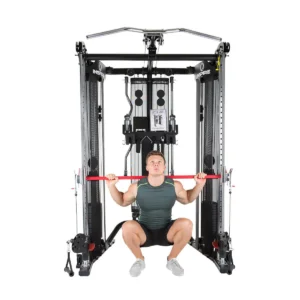
Take your fitness to the next level with these game changing fitness equipment. From cutting edge workout gear to top of the line supplements, these products will help you achieve your fitness goals faster and more effectively. Click Here to check them out and revolutionize your fitness routine.